UL 325 for Automatic Gate Openers: What Homeowners and Property Managers Need to Know
Eastside Fence • March 22, 2026
A practical look at UL 325, gate safety devices, and automated entry systems
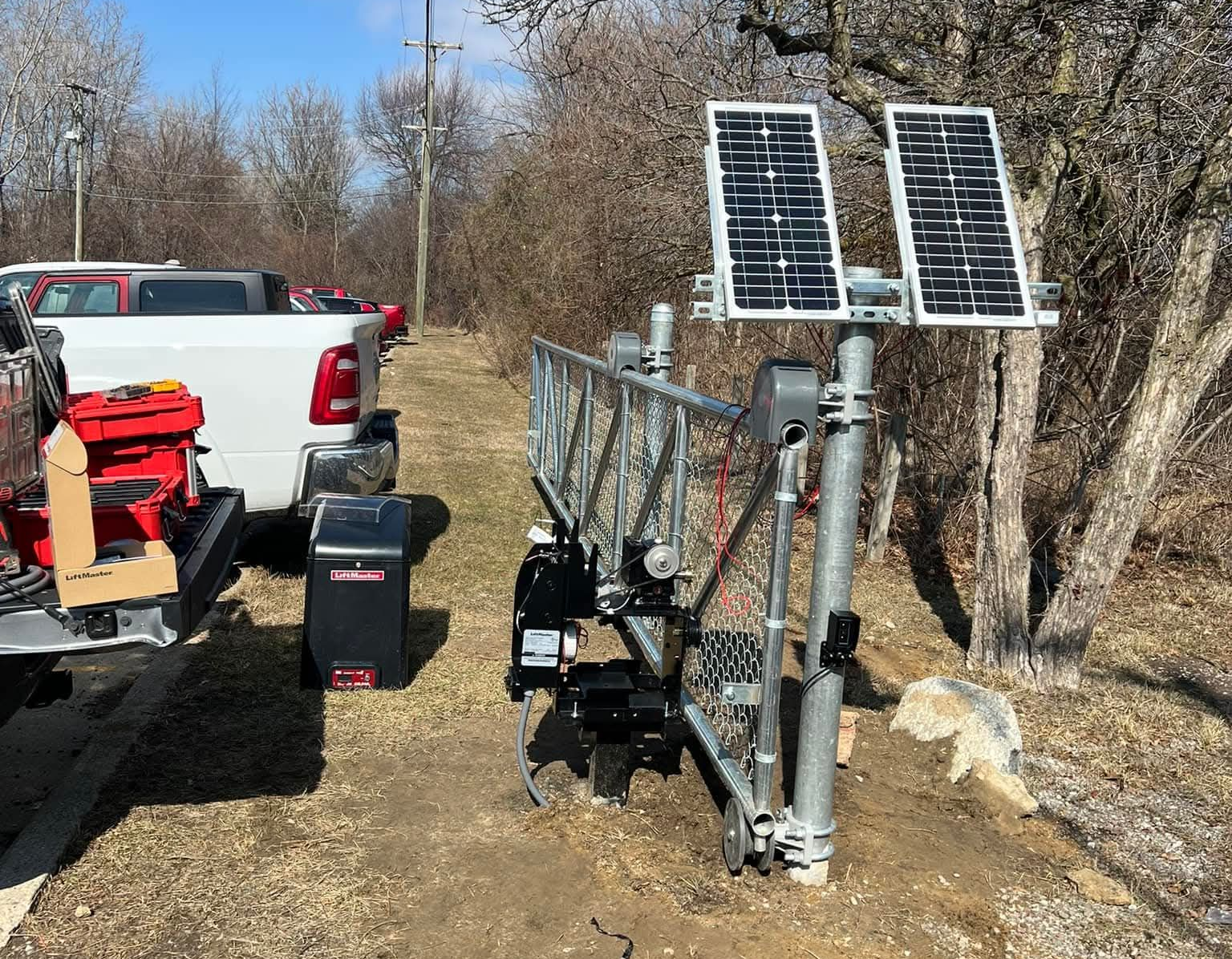
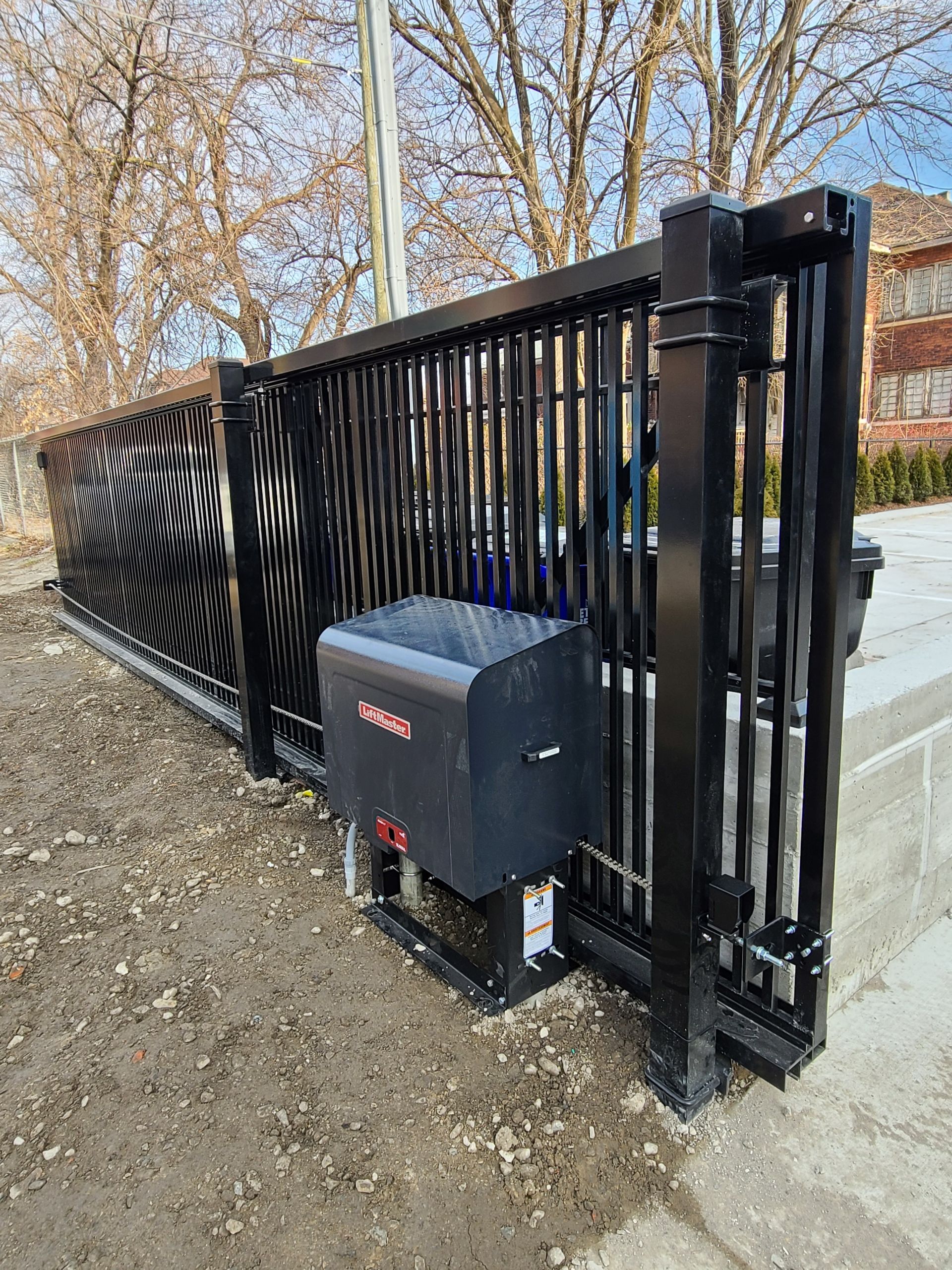
Automatic gate openers can add convenience, access control, and security to a property, but they are not a plug-and-play upgrade. A properly planned gate system has to account for the operator, the gate itself, the site layout, and the required safety devices. UL 325 is one of the core safety standards that shapes how automatic gate operator systems are installed and configured, and ASTM F2200 is the companion standard commonly referenced for the gate and gate system itself.
For property owners, the important takeaway is simple: choosing the right operator is only one part of the job. The entire system has to be planned with safety and code-conscious installation in mind.
What Is UL 325?
UL 325 is the safety standard commonly used for door, gate, and barrier operators. In the automatic gate world, it governs the safety expectations around operator function and entrapment protection. Industry guidance from LiftMaster notes that modern UL 325 requirements include independent means of entrapment protection, and for certain slide gate applications manufactured to current standards, monitored external devices are required for the operator to function.
That matters because many property owners still think an automatic gate is basically just a motorized gate arm with a remote. In reality, modern gate systems are expected to incorporate properly selected and installed safety devices such as photo eyes, monitored edges, and obstruction detection systems where required.
UL 325 vs. ASTM F2200
These two standards are related, but they do not do the same thing.
UL 325 deals with the operator and the safety behavior of the automated system. ASTM F2200 is the standard commonly referenced for the construction and installation side of automated vehicular gates. LiftMaster’s own safety guidance tells installers and property owners to follow both UL 325 and ASTM F2200 when designing a safe automated gate system.
In plain English, that means this:
UL 325 addresses how the opener and safety devices work
ASTM F2200 addresses how the gate system should be built and laid out
A good operator does not fix an unsafe gate, and a strong gate does not remove the need for proper entrapment protection.
The Four UL 325 Gate Classes
UL 325 identifies four classes of vehicular gate operators based on the type of property and how the gate is used. Manufacturer installation manuals summarize them as: residential Class I, commercial/general access Class II, industrial/limited access Class III, and restricted access Class IV.
- Class I: Residential Vehicular Gate Operators
This class is associated with one-to-four single-family residential settings, such as a private driveway or gated residential entrance.
- Class II: Commercial or General Access Vehicular Gate Operators
This class applies to locations such as multi-family housing, hotels, garages, retail properties, and other sites that serve the general public.
- Class III: Industrial or Limited Access Vehicular Gate Operators
This class is used for industrial locations or limited-access areas such as factories, loading zones, or service areas not intended for public use.
- Class IV: Restricted Access Vehicular Gate Operators
This class applies to guarded or restricted-access sites such as secured facilities or controlled-access properties where unauthorized entry is actively prevented.
Why does that matter? Because the correct operator class affects more than marketing language. It influences how the system should be selected, installed, and protected.
Why Entrapment Protection Matters
One of the biggest safety issues with automatic gates is entrapment. Manufacturer guidance explains that installers must identify entrapment zones and install the appropriate monitored UL 325-compliant protection devices for those areas.
LiftMaster states that compliant systems require two independent safety entrapment protection devices at each entrapment zone, with the inherent reversing system counting as one device, and that certain current slide gate operators require monitored external protection devices in both opening and closing directions.
Depending on the gate type and the site, those protections may include:
- monitored photo eyes
- monitored edge devices
- inherent obstruction sensing
- proper warning signage
- control placement outside the hazard area
LiftMaster also advises that gate controls should be at least six feet away from the gate and that pedestrians should have a separate access point rather than crossing the path of a moving vehicular gate.
Common Automatic Gate Mistakes Property Owners Make
A lot of gate problems start long before the operator is installed. Some of the most common planning mistakes include:
- Choosing an operator before evaluating the gate
The gate weight, length, travel direction, duty cycle, and usage pattern all matter. A residential swing gate and a busy commercial slide gate do not have the same equipment needs.
- Ignoring entrapment zones
Entrapment risks are not always obvious to property owners. Manufacturer manuals specifically note that installers are responsible for identifying those zones and protecting them properly.
Reusing outdated safety hardware
Older systems may not meet current expectations. LiftMaster notes that many existing gate systems lack current safety features and should be replaced or upgraded to current standards.
- Treating pedestrian traffic like an afterthought
Vehicular gates are not pedestrian gates. If people regularly walk through the same opening, that should be addressed during planning.
- How Eastside Fence Approaches Gate Operator Projects
At Eastside Fence, automatic gate opener projects are not treated like an afterthought or a bolt-on accessory. The operator has to match the gate, the usage, and the site.
Before recommending a system, we look at factors such as:
- residential vs. commercial traffic demands
- swing gate vs. slide gate layout
- clearances and possible entrapment points
- access control needs
- safety device placement
- whether the existing gate is a good candidate for automation
- whether the overall setup should be upgraded for safer operation
That process matters because gate automation is one of the areas where poor planning can create both safety problems and reliability problems.
When an Older Gate May Need Upgrades Before Automation
Not every existing gate is ready for an automatic opener. In some cases, the gate itself may need adjustments or upgrades before automation makes sense. If the frame, rollers, hinges, track, spacing, or layout create avoidable hazards or unreliable travel, the right move may be to correct those issues first rather than force an operator onto a bad foundation.
This is where professional evaluation helps. A safer gate system usually starts with a better gate system.
Need Help With an Automatic Gate Opener in Metro Detroit?
Whether you are planning a residential driveway gate, a commercial access gate, or a controlled-entry system for a private facility, it helps to start with the right safety and equipment plan.
Eastside Fence installs and plans gate systems with long-term usability, access control, and operator safety in mind. If you are considering an automatic gate opener, we can help you choose the right configuration for the property and the way the entrance is actually used.
Need help with gate automation or operator planning? Contact Eastside Fence to discuss your project.
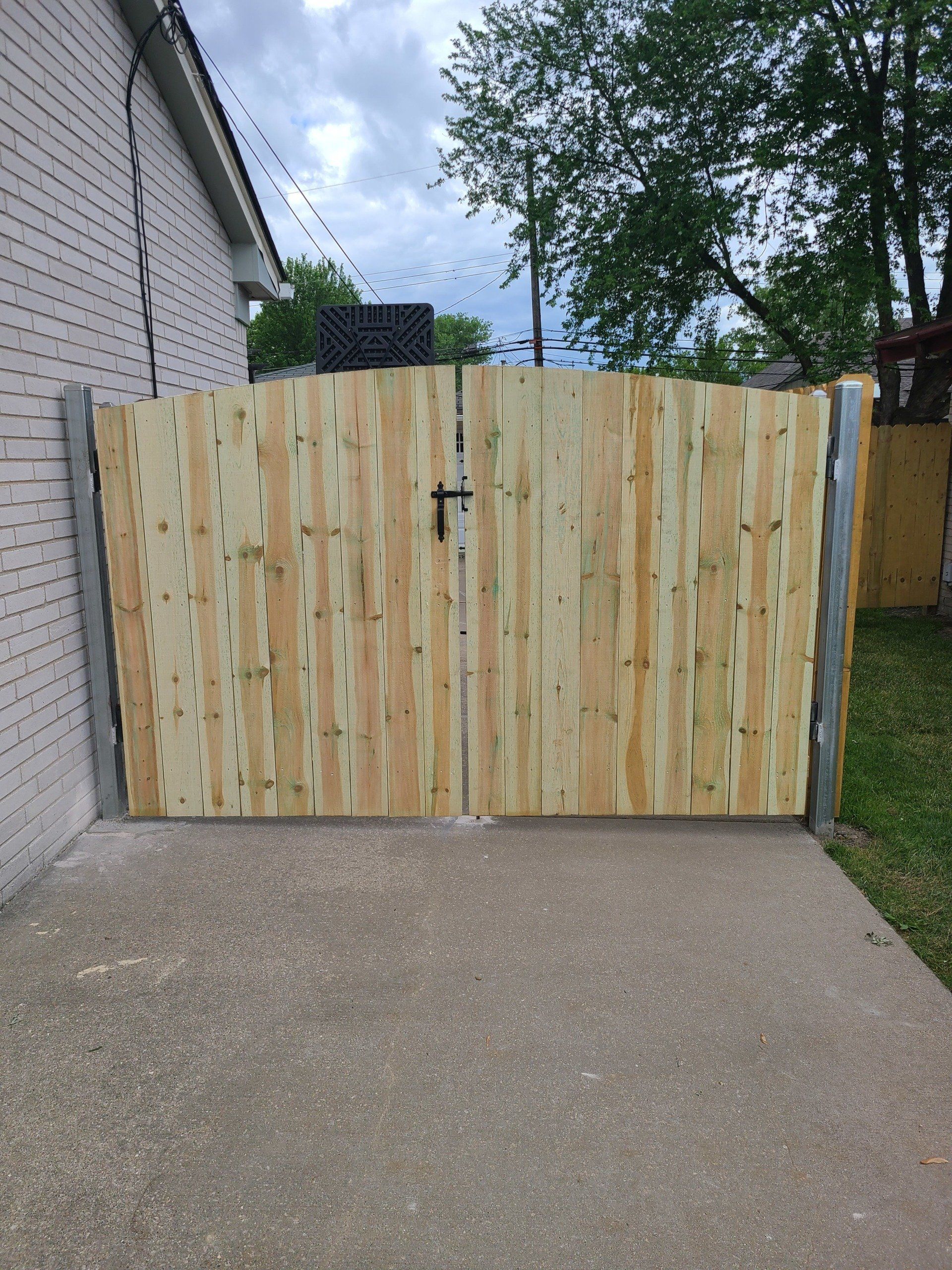
Do you need a fence permit in Metro Detroit? See requirements by city including Troy, Warren & Sterling Heights. Eastside Fence handles permits for you.
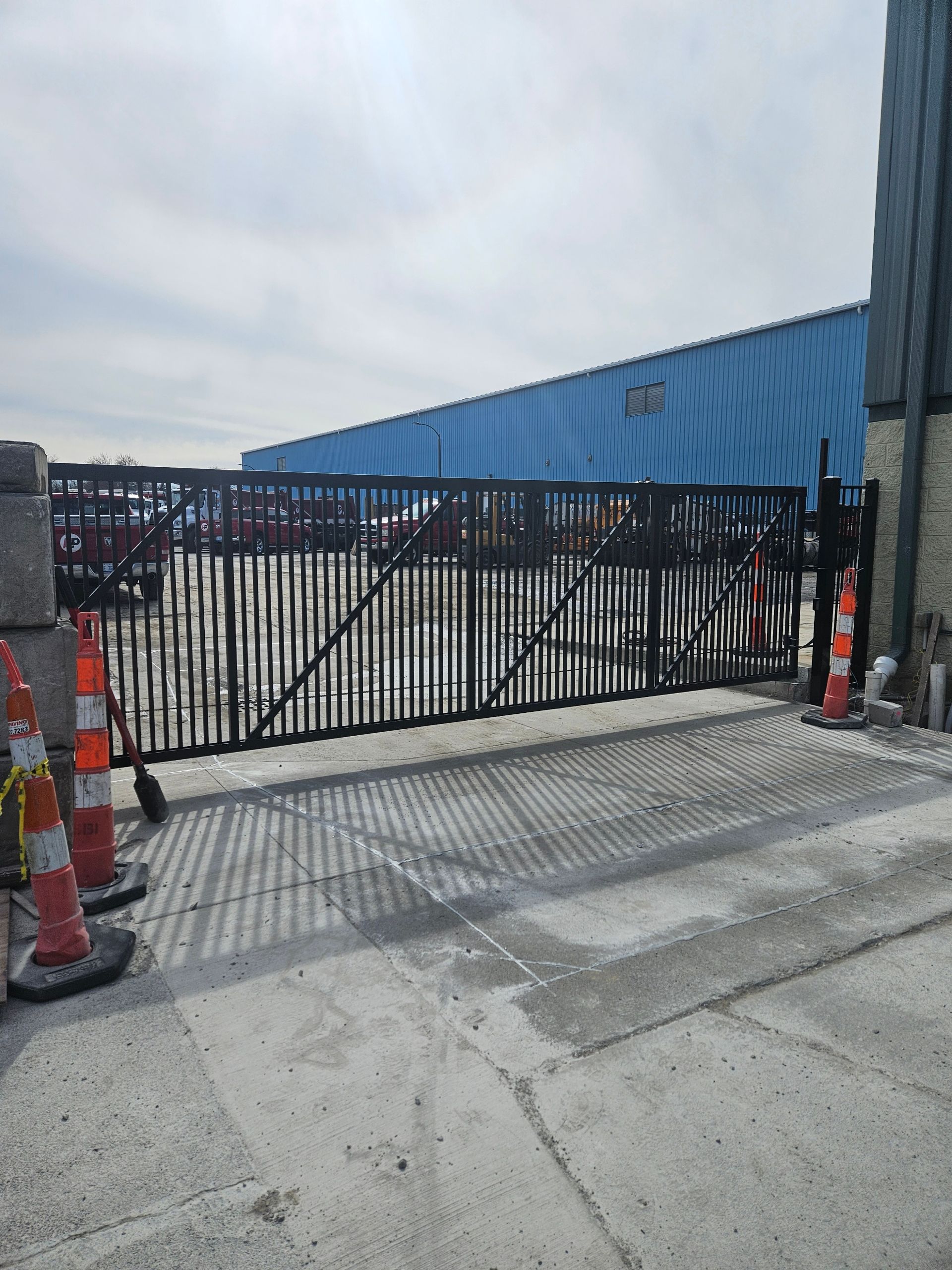
Need commercial fence installation in Metro Detroit? Eastside Fence provides chain link, steel, and temporary fencing across Oakland, Macomb, and Wayne Counties.
Learn what property managers should look for in a commercial fence contractor, from communication and durability to security and installation quality.
Learn 5 signs it may be time to replace your old fence, including leaning sections, rot, and repeated repairs. Serving Metro Detroit.

If you're considering chain link fence installations, then you'll want to know about the benefits you can expect. Here are four to look forward to.

Read this blog post to find out more about the chain link fence installation price and how a security fence can help protect your home.

Did you know that chain link fence installation can be easy? Read this blog for five other things to know! Call to get started with our services.

Learn how to keep your property secure with professional fence installation. Contact us if you're in need of fence services.
Share On: