- About Eastside Fence
Fence Installation Services for Warren, Michigan Homes & Businesses
Eastside Fence has 40 years of family fencing experience and has proudly served Metro Detroit since 2013. As an experienced fence contractor, we provide residential and commercial fencing solutions designed to improve privacy, security, safety, and curb appeal while standing up to Michigan’s changing weather.
Our fencing services include new fence installation, replacement, and repair for wood, vinyl, aluminum, and chain-link fencing. Whether you are securing a backyard, improving a commercial property, or creating a defined boundary, our team delivers solutions tailored to your property’s needs.
Complete Fence Installation Services You Can Trust
As a full-service fence company, Eastside Fence installs and repairs wood, vinyl, aluminum, and chain-link fences, along with custom gates and automatic gate-opener systems. We use trusted materials and proven installation methods to provide dependable results for residential and commercial properties.
From the initial consultation through project completion, we maintain a clear and professional process. Our team helps you select the right fencing material, plan your layout, determine gate placement, and understand your available options, with flexible payment plans available.
Brian Parks
Business Owner
Our Mission
At Eastside Fence, our mission is to provide durable, secure, and attractive fencing solutions for homeowners and businesses throughout Metro Detroit. As a 3rd-generation family-owned fence company, we believe in honest communication, dependable workmanship, and customer-focused service.
As a trusted fence contractor, we use proven installation methods and quality materials to create fences that meet each property’s unique requirements. Having completed thousands of residential and commercial fence projects, our fully licensed and insured team is committed to delivering reliable craftsmanship and long-term value.
- Serving Metro Detroit
- Licensed & Insured
Fence Services From Free Estimate to Final Walk-Through
Free On-Site Estimates – Our project specialists visit your property, measure the layout, assess site conditions, and review applicable permit or HOA requirements.
Custom Fence Planning – We help you select the right material, fence style, gate placement, and post layout based on your property’s design, needs, and budget.
Professional Installation – Our experienced team handles the installation carefully, using proven methods and quality materials for a durable finished fence.
Clean Final Walk-Through – After installation, we review the completed project with you, clean the work area, and make sure the finished fence meets your expectations.
Tips for Hiring a Fence Contractor
- Check Experience & Reputation – Choose a licensed, insured, and established fencing company like Eastside Fence, a 3rd generation family-owned business with decades of experience.
- Ask About Past Projects – Request to see residential and commercial fence installations, including photos or references, to confirm quality workmanship.
- Verify Materials & Methods – Confirm the contractor uses premium materials and proven installation techniques for durable, long-lasting fencing results.
- Clear Communication & Estimates – Choose a company that provides transparent pricing, open communication, and a clear timeline for your project.
Speak with Our Local Fence Specialists
Have a fence project in mind? Whether you need a fence contractor Warren MI homeowners trust for residential or commercial fencing installation, our 3rd generation family-owned team is ready to answer your questions and guide you forward.
Call us at 586-806-0482 or email eastsidefencemi@gmail.com, and we’ll share friendly, professional fencing advice tailored to your property’s layout and goals.
Wood Fence Maintenance Tips From Our Experts
A well-built wood fence adds privacy, curb appeal, and lasting value to your home.
- Expert Installation – Our 3rd generation family-owned team installs wood fences with premium cedar materials and proven techniques for durable, attractive long-lasting results.
- Residential & Commercial Solutions – We install wood fencing for homes and businesses across Metro Detroit, tailored to your property’s unique layout.
- Maintenance & Care Tips – Routine inspections, cleaning, and sealing/staining help protect your fence from weather, pests, and wear, extending its life.
- Guidance & Support – Our experts share professional advice and services to keep your wood fence secure, attractive, and long-lasting.
- SERVICES
Complete Fence and Outdoor Improvement Solutions
We offer a full range of fencing services Metro Detroit property owners trust for all property improvement needs. From residential fences to commercial enclosures, our team delivers professional installation, durable materials, and expert craftsmanship for every project across the area.
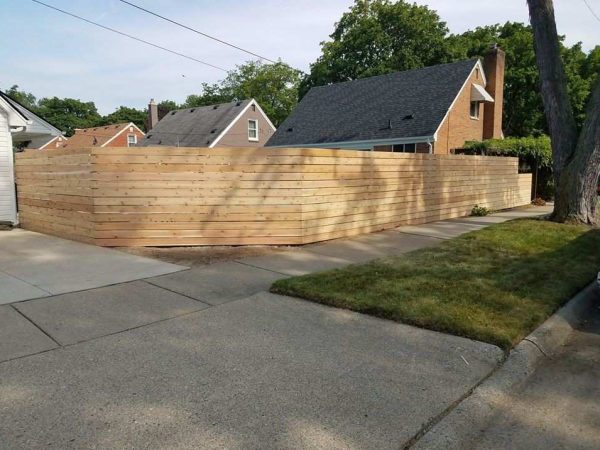
Wood Fence Installation
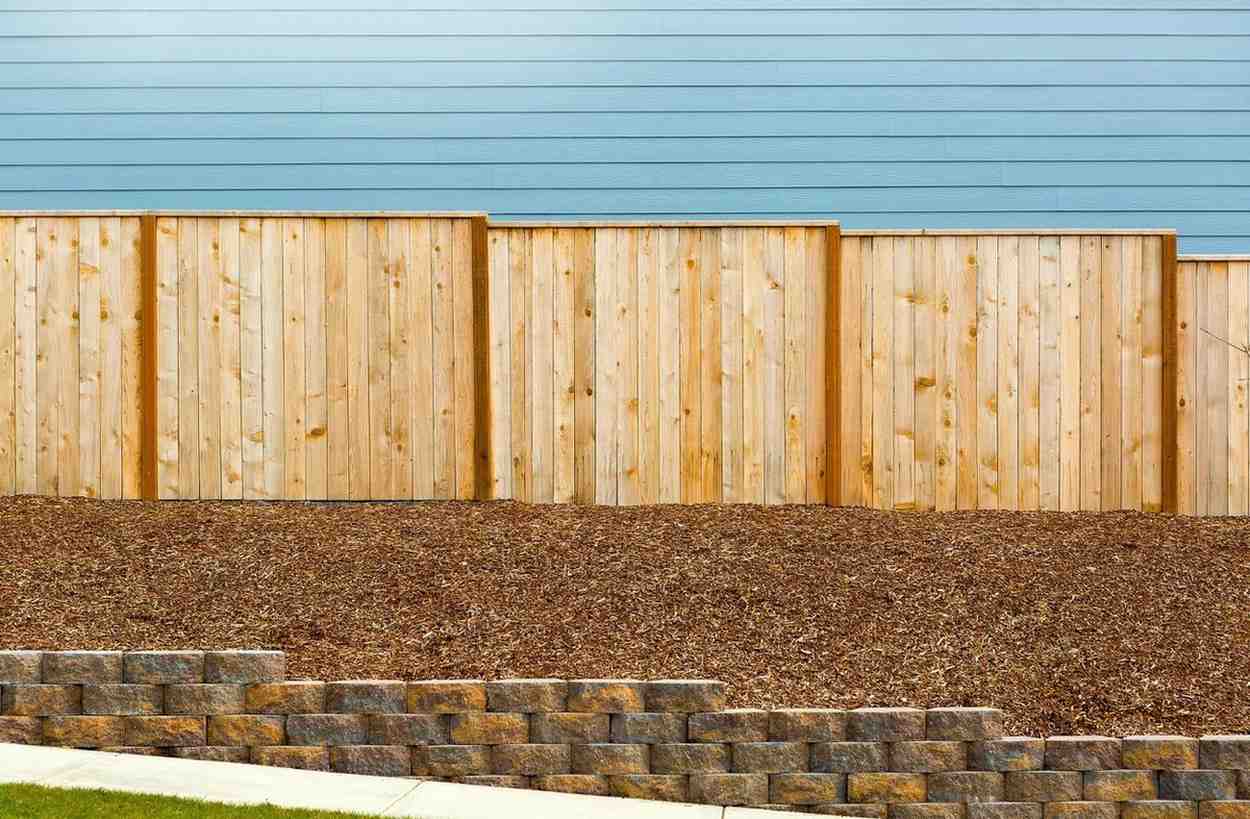
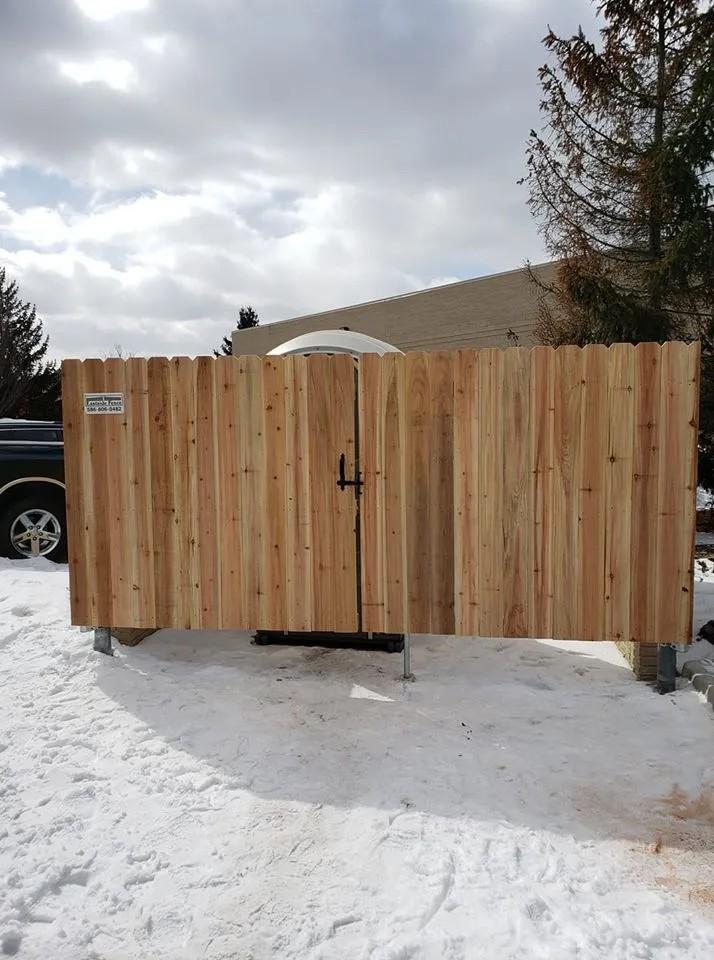
Durable and beautifully crafted, our wood fencing installations are designed for both traditional and modern properties. Using premium lumber and proven construction techniques, we deliver wood fences that combine strength, natural charm, and long-lasting performance. Perfect for privacy, property definition, and adding warmth to backyards, front yards, gardens, and outdoor living spaces.
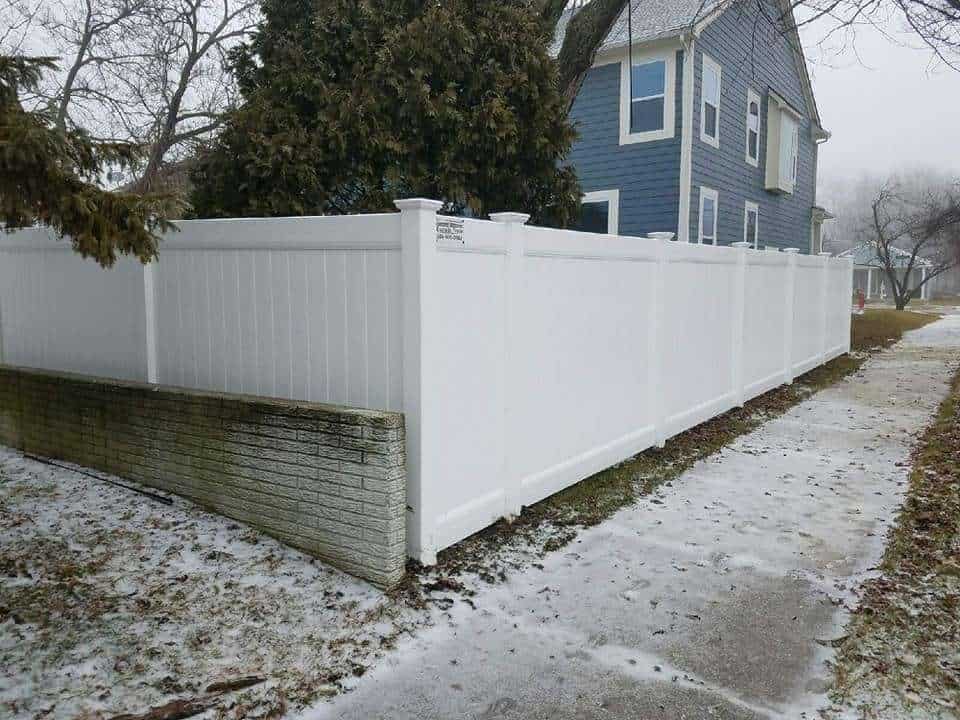
Vinyl Fence Installation
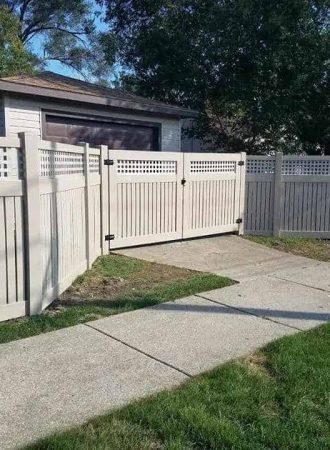
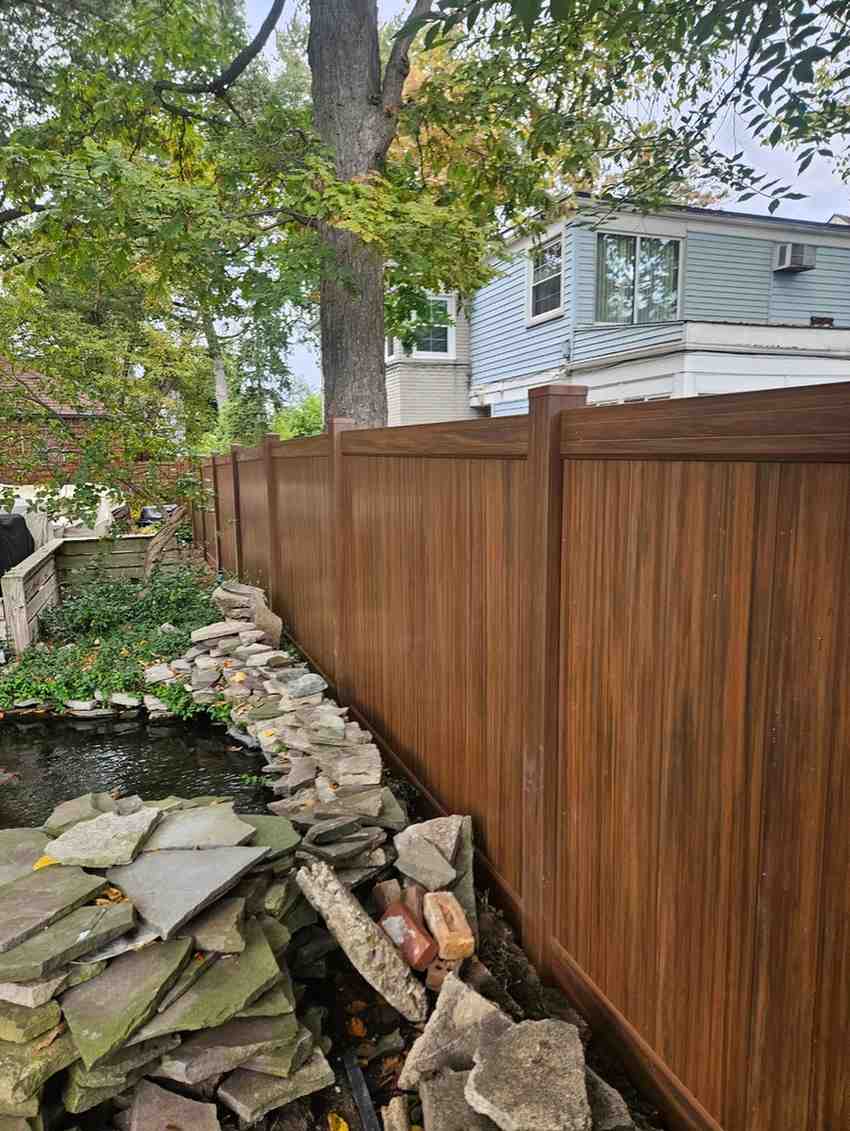
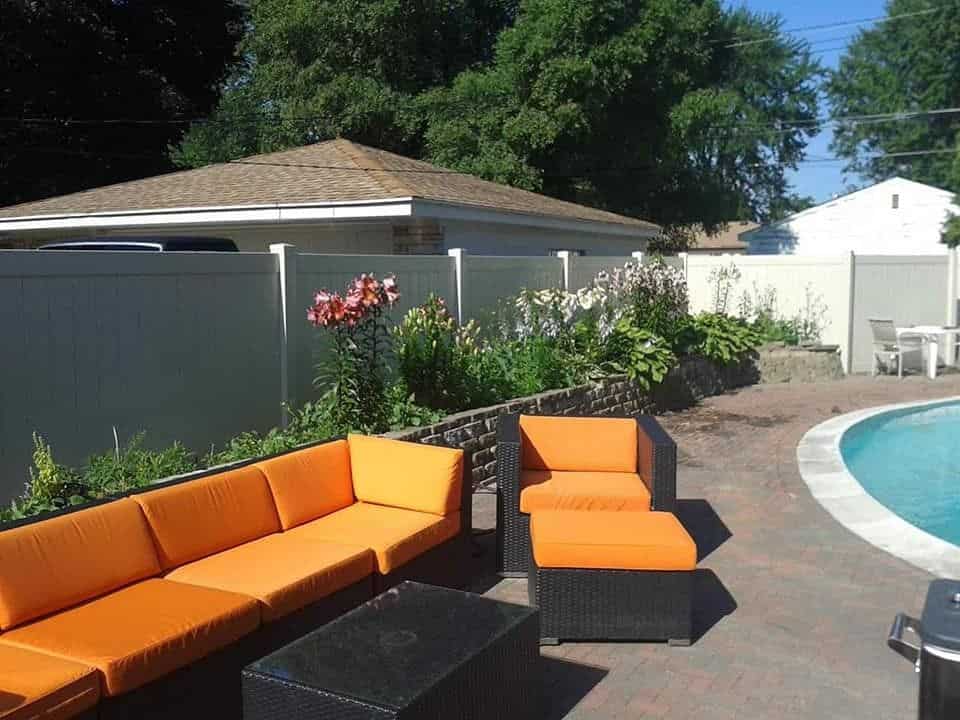
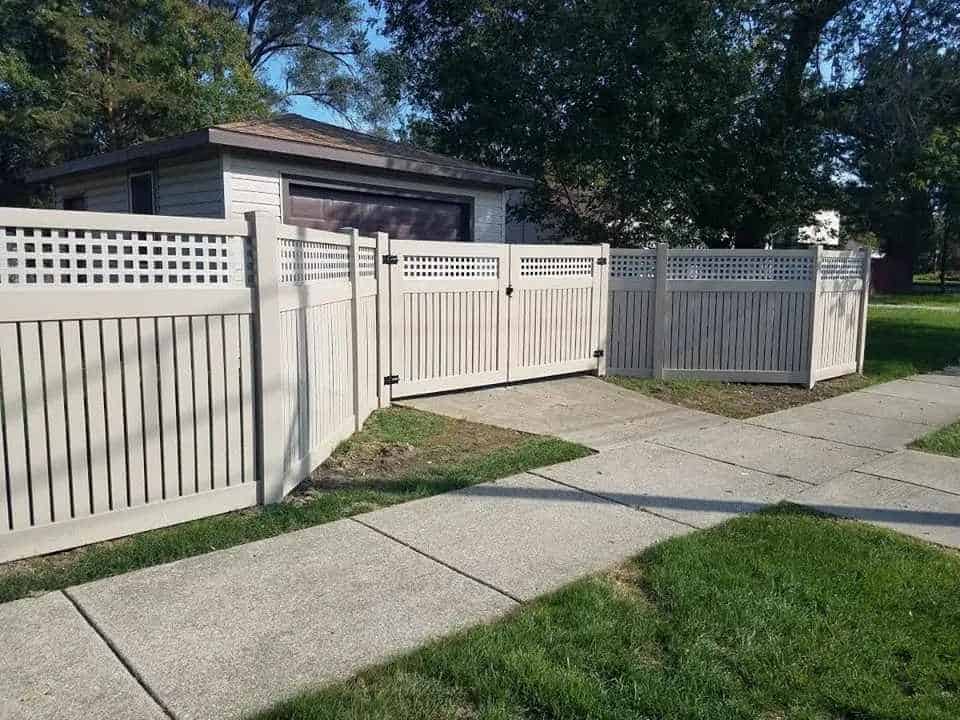
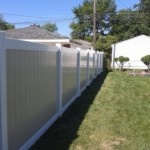
Our pvc vinyl fencing provides a clean, low-maintenance solution for homeowners and businesses seeking privacy, security, and appeal. Built with high-quality materials and precise installation, these fences resist weather, fading, and warping, so they maintain their polished look for years. Perfect for yards, commercial spaces, and modern outdoor areas.
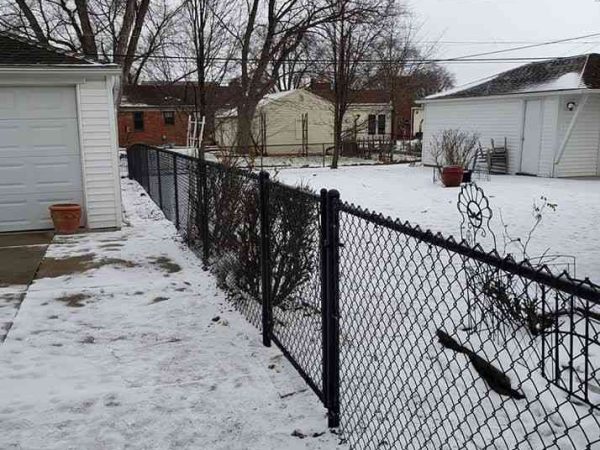
Chain Link Fence Installation
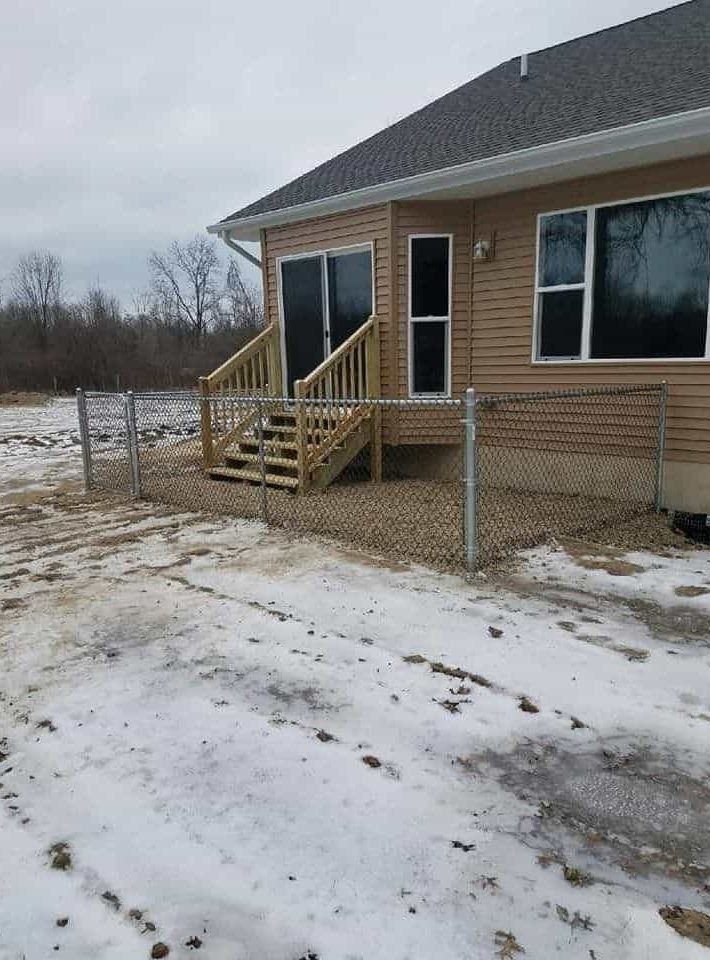
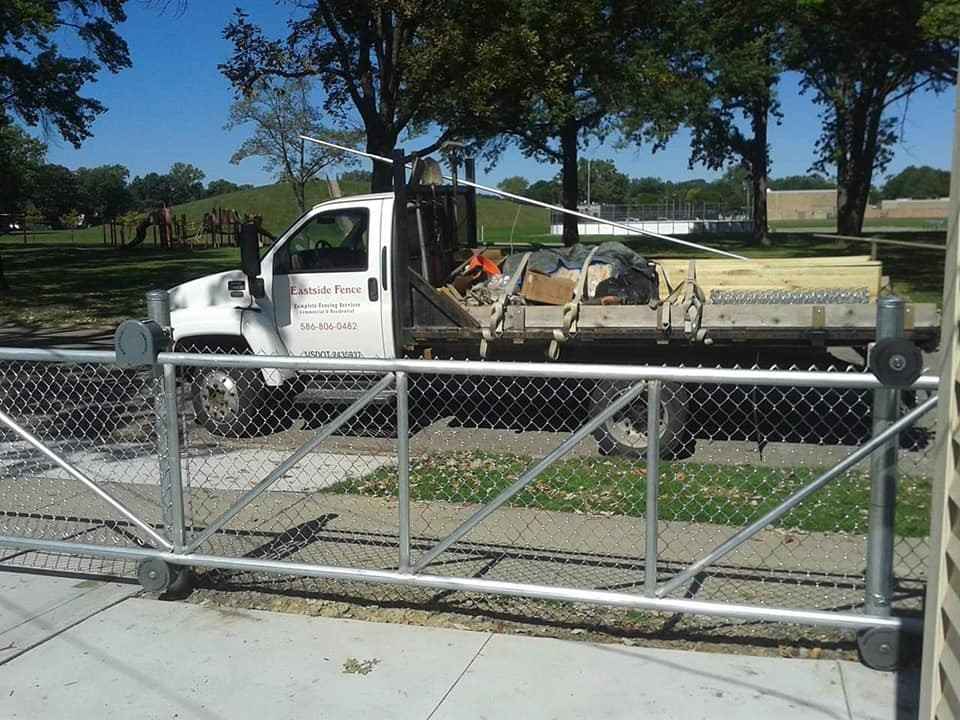
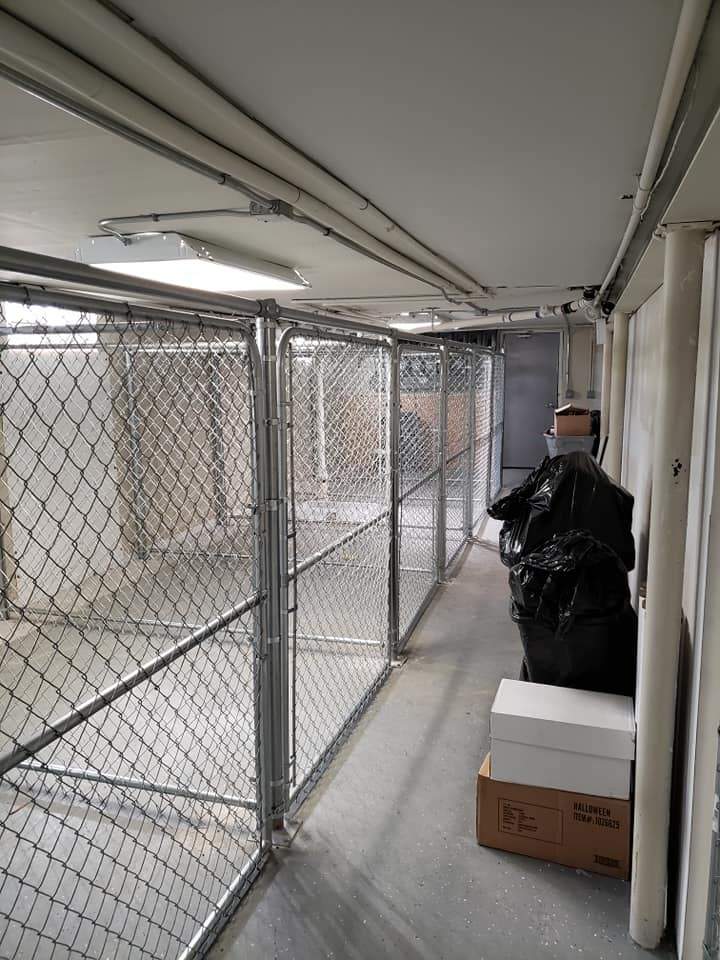
Practical and strong, our chain link fencing is ideal for security, property boundaries, and outdoor spaces. Installed using expert techniques and reliable materials, these fences provide long-lasting performance with minimal upkeep. Perfect for residential yards, commercial properties, playgrounds, and construction sites, offering a functional and cost-effective fencing solution.
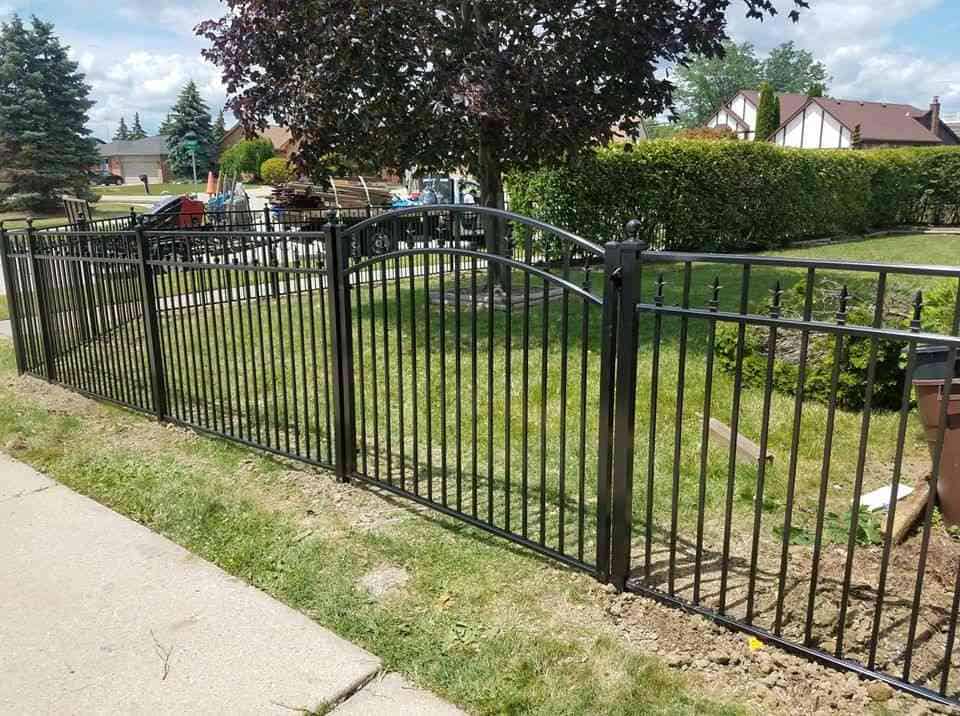
Aluminum Fence Installation
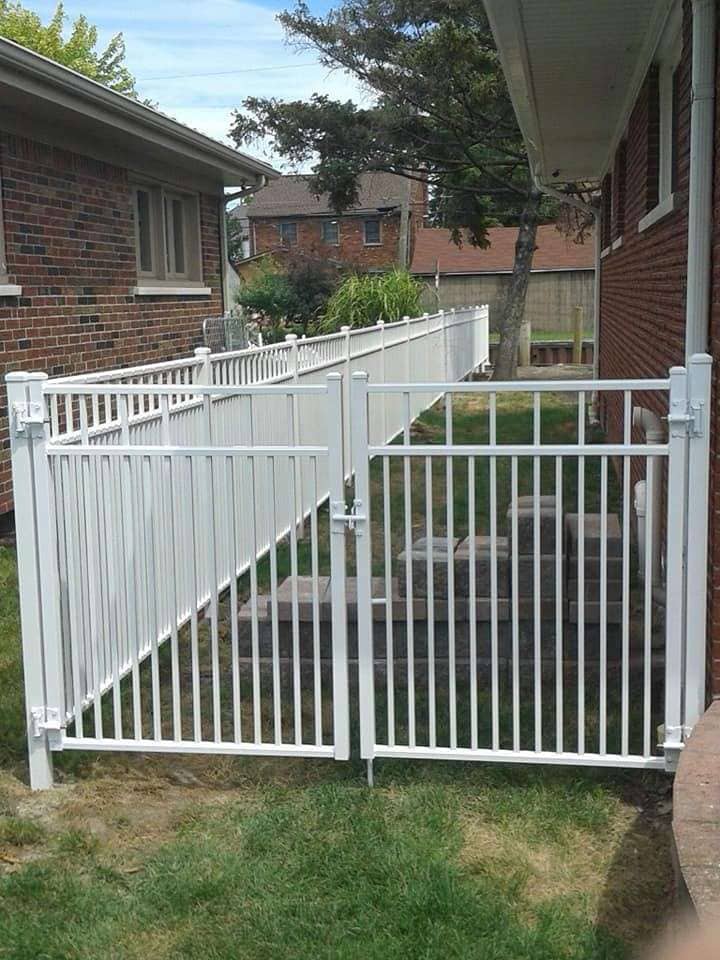
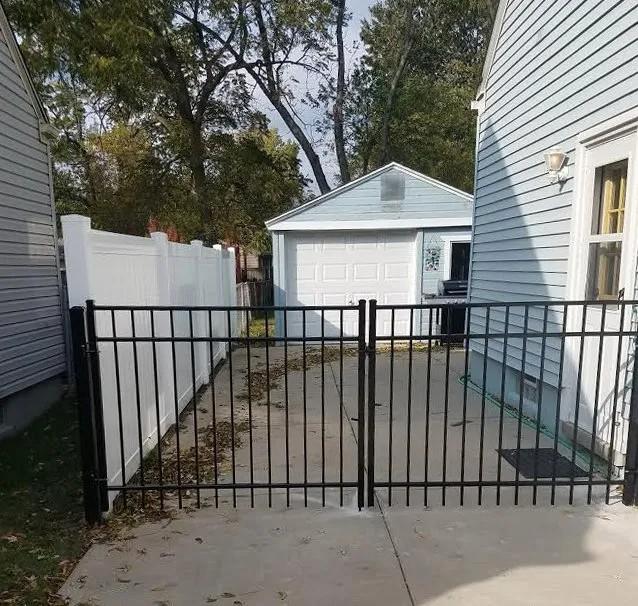
Aluminum fencing combines lightweight design with lasting strength, providing an elegant and modern look. Our installations offer security, curb appeal, and low-maintenance performance, making them ideal for residential yards, commercial properties, and decorative outdoor areas. Available in various styles, these fences improve the property’s appearance while offering reliable protection.
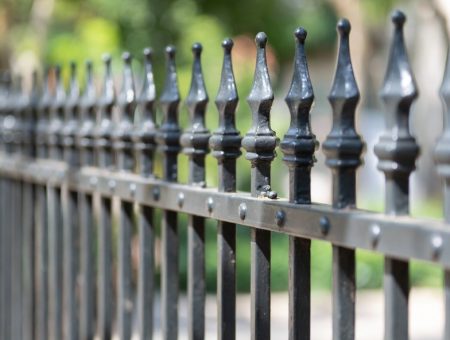
Steel Picket Fence Installation
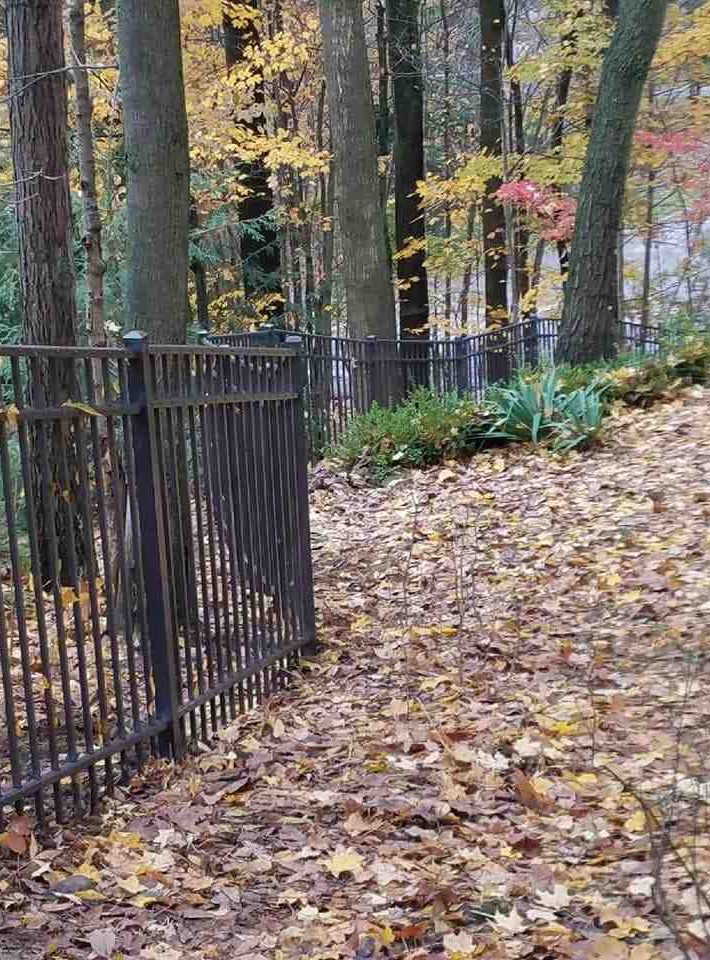
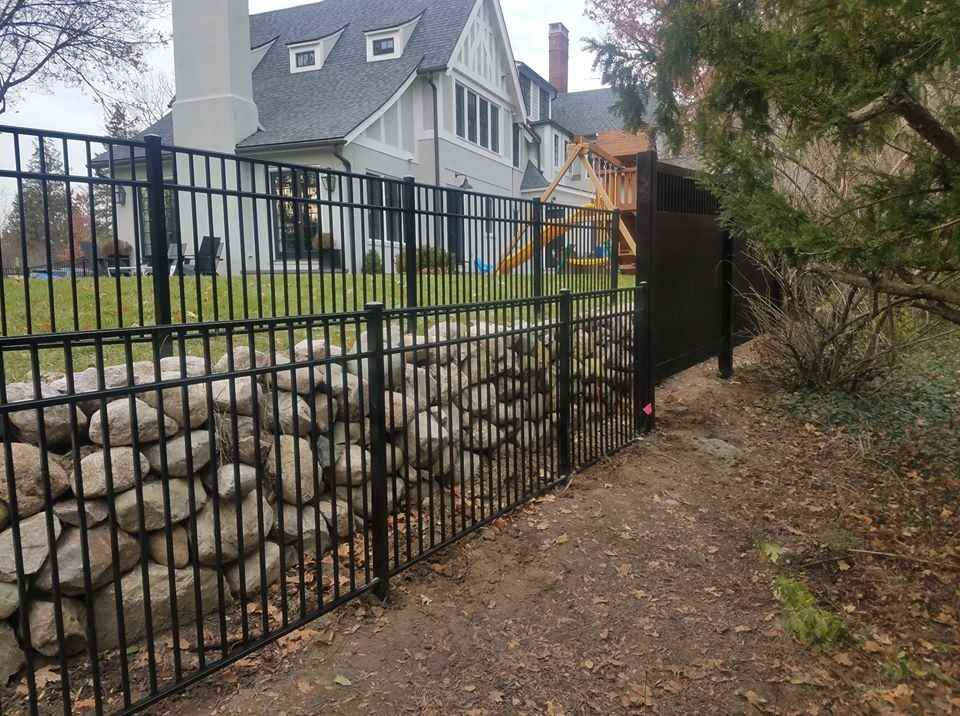
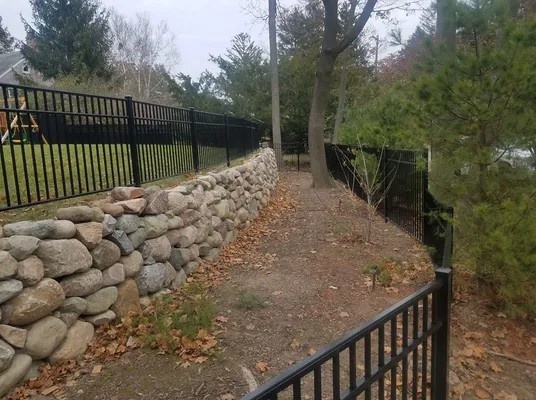
Our steel picket fencing delivers a classic, refined appearance with superior strength. Perfect for defining property lines, boosting curb appeal, and providing long-lasting security, these fences are built using premium materials and expert installation methods. Suitable for both residential and commercial properties, they combine function, durability, and timeless style.
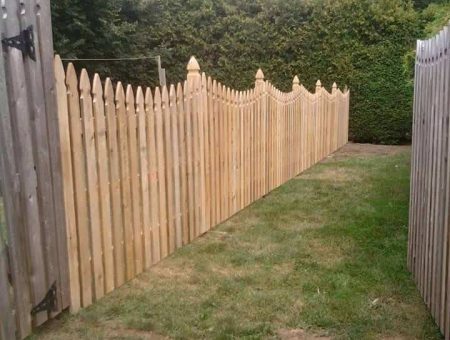
Privacy Fence Installation
Designed for complete seclusion and protection, our privacy fencing creates quiet, secure, and attractive outdoor spaces. Crafted with precision, these fences are perfect for backyards, gardens, and commercial properties where privacy and aesthetics matter. They not only boost security but also improve the overall look of your property.
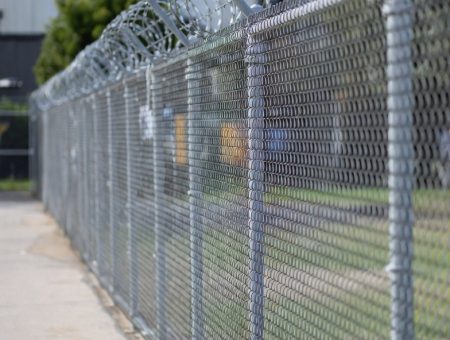
Commercial Fence Installation
Professional fence installation Metro Detroit businesses trust, designed for commercial fencing properties. These fences provide security, clear property boundaries, and low-maintenance performance, while keeping a professional appearance. Ideal for office spaces, warehouses, retail properties, and industrial sites.
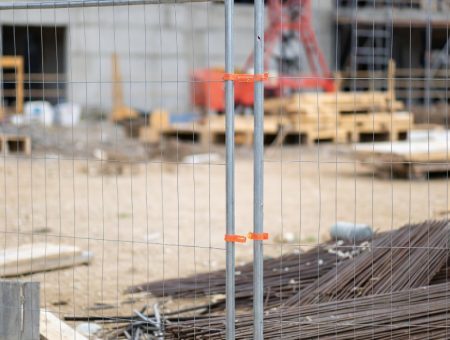
Temporary Fence Installation
Flexible and practical temporary fencing solutions for short-term needs like construction sites, events, or property protection. These fences are quick to install and remove, offering safe boundaries, organization, and peace of mind wherever temporary security is required. Perfect for projects of any size, from small events to large construction.
Garden Fencing
Improve your garden with fencing that defines boundaries, protects plants, and adds visual charm. Our garden fences are built using high-quality materials and careful installation, providing a solution that is both functional and aesthetically pleasing. Ideal for vegetable gardens, flower beds, and landscaped outdoor spaces, these fences help keep your garden safe while complementing its natural beauty.
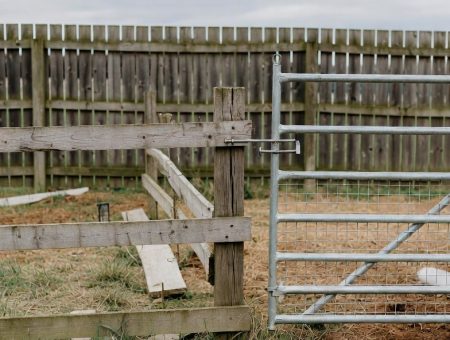
Fence and Gate Repair
Keep your fences and gates functioning safely and looking their best with our fence and gate repair services. Whether it is damaged panels, broken gates, or worn hardware, we deliver fence installation and repair Warren MI clients trust to restore security and appearance. Ideal for residential and commercial properties, our repairs extend the life of fences.
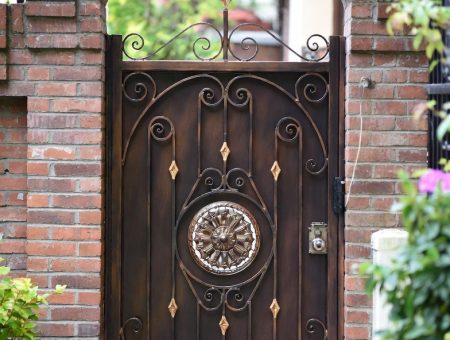
Custom Gates
Improve your property’s entry with custom gates tailored to your style and needs. Whether for residential or commercial properties, we create gates that combine function, security, and visual appeal. Using quality materials and precise craftsmanship, our custom gates are built to last while making a striking first impression.
- Eastside Fence
Specialty Fencing Options for Unique Property Needs
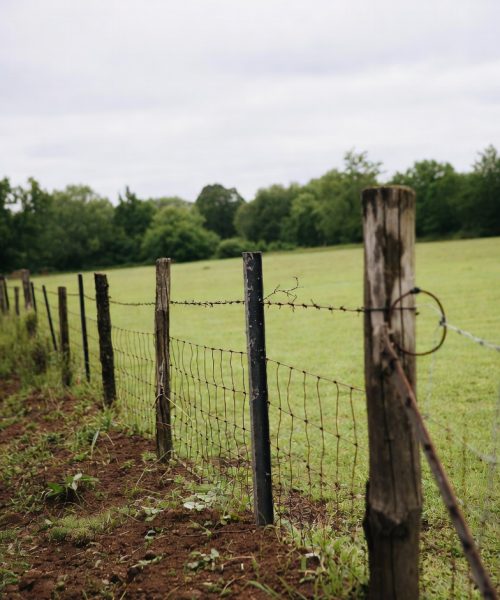
Some properties require fencing beyond a standard residential application. Eastside Fence provides agricultural fencing for farms, ranches, and rural properties that need durable solutions for livestock containment, pasture boundaries, and other agricultural applications.
We also install classic steel picket fencing for residential and commercial properties seeking a combination of strength and traditional curb appeal. Our team works with you to select a fencing solution that fits the property’s purpose, layout, and appearance.
For added convenience and controlled access, we also install electric gate openers for residential and commercial gates. Whether you are securing a horse farm, corporate property, or private estate, our Metro Detroit team brings the same attention to detail and quality workmanship to every project.
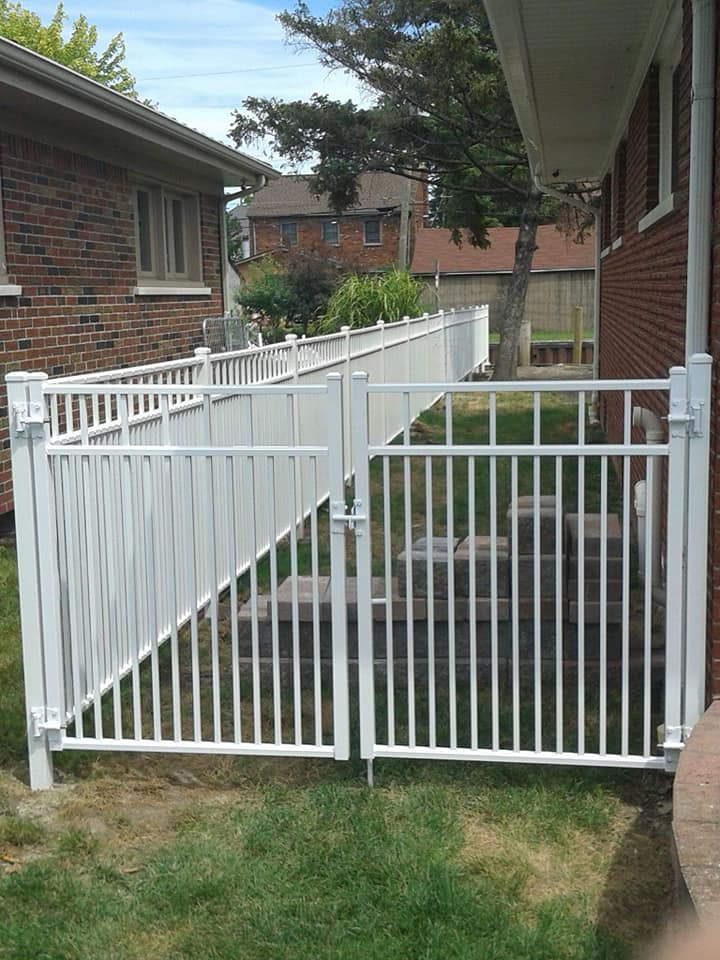
- Building Success Together
Serving Warren, MI & Surrounding Michigan Communities
Eastside Fence proudly serves homeowners and businesses throughout Metro Detroit, including Warren, Sterling Heights, St. Clair Shores, Roseville, Eastpointe, Mount Clemens, New Baltimore, Chesterfield, Richmond, Harrison Township, Center Line, Birmingham, Bloomfield Hills, Berkley, Ferndale, Hazel Park, Huntington Woods, Madison Heights, Oak Park, Troy, Pontiac, Rochester Hills, Farmington Hills, Southfield, Royal Oak, Lake Orion, and Waterford.
Our local team provides professional fencing services focused on durability, security, functionality, and curb appeal. From new installations and replacements to fence and gate repair services, we provide solutions for wood, vinyl, aluminum, chain-link, privacy fencing, and custom gates.
Handling Permits, Property Lines, and Local Codes
Many fencing projects in Metro Detroit may require permits, property surveys, or HOA approval before installation. Our team helps homeowners and businesses navigate these considerations by reviewing property layouts, marking property lines, calling Miss Dig 811 before digging, and confirming applicable local requirements. This planning helps create a smoother fence installation process while reducing potential issues related to property boundaries, underground utilities, or local regulations.
Clean Job Sites and Minimal Lawn Damage
Professional fence installation should leave your property clean and well cared for. Our team uses modern post-hole augers, careful digging methods, and organized job-site practices to help minimize lawn damage during installation. We take care around landscaping, sprinkler systems, flowerbeds, walkways, and other existing features whenever possible. Once the project is complete, we remove leftover materials and clean the work area so your property is left neat and ready to enjoy.
Start Your Fence Project with Eastside Fence
Your property deserves a secure, attractive, and professionally installed fence. Eastside Fence provides fencing services for homeowners and businesses throughout Metro Detroit, including new installations, complete replacements, and fence repair.
With skilled installation, quality materials, and experienced local service, we help improve privacy, security, safety, and curb appeal. As a full-service fence company, we offer competitive pricing and back every installation with a 2-year labor warranty.
Unlike national chains, our fence contractor team provides personal local service, responsive communication, and craftsmanship tailored to your property. From wood and vinyl to aluminum, chain-link, privacy fencing, and custom gates, we build solutions designed for long-term performance.
Call 586-806-0482 or email eastsidefencemi@gmail.com for a free, no-obligation estimate and professional guidance for your next fencing project.
Licensed & Insured
Built with Integrity
Family-Owned & Operated
Premium Materials
Professional Installation
Craftsmanship You Can See
Fence Installation Solutions for Every Home and Property
Eastside Fence provides reliable fencing services that combine skilled craftsmanship, quality materials, and proven installation methods. Whether you want to improve curb appeal, increase security, or create a more private outdoor space, our experienced team handles fencing projects of different sizes and requirements.
Our Featured Services Include:
- Fence Installation – Professional fencing solutions for residential and commercial properties
- Fence Repair Services – Reliable repairs for damaged, aging, or storm-affected fences
- Vinyl Fence Installation – Low-maintenance fencing designed for privacy, durability, and long-term performance
- Privacy Fencing – Improve safety, privacy, and curb appeal for your outdoor spaces
We work closely with every client from the initial consultation through final installation to ensure every detail is handled with care. Our fences are designed to be both functional and visually appealing, delivering long-lasting results built for Michigan’s changing weather conditions.
Satisfied customers
Why Choose Eastside Fence for Your Project
At Eastside Fence, we believe every property deserves expert craftsmanship backed by dependable service. Our team combines hands-on experience with industry knowledge so every project is completed safely, efficiently, and built to last. We work closely with homeowners and businesses to understand their goals, timelines, and design preferences.
Why Homeowners and Businesses Choose Us:
- Fully licensed and insured professionals
- Clear communication with transparent estimates
- On-time planning, scheduling, and completion
- Premium materials selected for long-lasting performance
- Skilled craftsmanship with attention to detail
year of experience
happy customers
projects completed
Frequently Asked Questions
Yes! We offer a 2-year labor warranty on all of our fence installation services.
Yes, we install fences for both residential and commercial clients. If you're interested in learning about a chain link fence installation cost for your business, contact us today!
Yes, we do! 6' is standard privacy fence height, but if you're looking for something different with your fence installation, contact us today!
We do! We can install Liftmaster gate openers during your fence installation.
We use aluminum, wood, PVC, vinyl, steel picket, and chain link for our fencing materials. If you're interested in learning about pricing for chain link fencing, reach out to Eastside Fence!
Our Work in Action
- TESTIMONIALS
What Our Clients Say
Genuine Reviews from Homeowners and Businesses Across Michigan