What Homeowners Should Know About Property Lines and Utilities Before Fence Installation
Eastside Fence • March 24, 2026
Why confirming the fence line and accounting for underground utilities can help prevent delays, disputes, and costly mistakes

One of the biggest fence problems
usually starts before
installation even begins.
Many homeowners assume an old fence marks the true property line or that digging can begin once the new layout is chosen. In reality, property boundaries and underground utilities are two of the most important parts of a fence project, and overlooking either one can lead to delays, disputes, damaged lines, or expensive corrections later.
At Eastside Fence, we believe homeowners should understand these steps before the first post hole is ever dug. While we do not provide professional land surveying, we help customers understand when a survey may be necessary, and we handle the utility-locate process required before excavation begins. That helps keep projects more organized, more responsible, and less stressful from the start.
Why Property Lines Matter Before a Fence Goes Up
A fence is not just a visual boundary. It is a physical structure placed on or near a legal property line.
That is why relying on an existing fence, a neighbor’s assumption, or a rough online map can create problems. The most accurate way to establish or reestablish a boundary is through a licensed professional surveyor. In Michigan, the unrestricted practice of professional surveying is licensed through LARA, and the administrative rules define land surveying as including the establishment or reestablishment of land boundaries.
Michigan law also makes clear that even a local “fence viewer” is not responsible for determining the location of a boundary; boundary disputes are for courts of competent jurisdiction, which reinforces how serious exact line placement can be.
An Old Fence Is Not Always on the True Property Line
This is one of the most important things homeowners should know.
Just because a fence has been standing in a certain place for years does not automatically mean it was installed on the correct boundary. Older fences may have been placed for convenience, based on assumptions, or even slightly inside or outside the true line. That is one reason homeowner guidance consistently recommends checking deeds, plats, and especially surveys before replacing or installing a fence.
If a fence is installed in the wrong place, the issue may not be obvious right away. But if a neighbor objects later, or a sale, survey, or title matter brings the line into question, moving or removing a fence can become much more expensive than verifying the line up front.
What Homeowners Can Use as a Starting Point
Homeowners do have useful ways to begin gathering information before a project moves forward.
A recent land survey is the strongest reference. If you already have one, it may help clarify corners, dimensions, and where the proposed fence should be discussed. If you do not have a survey, county parcel and GIS resources can still be helpful as general reference tools.
For example:
Oakland County Property Gateway provides online access to parcel reports and maps.
Macomb County Mapping and Data Services offers public GIS and parcel resources.
Wayne County provides parcel and GIS data through its maps and data resources.
These tools can be useful for preliminary research, but they are not the same thing as a boundary survey. Parcel viewers and GIS maps are reference resources. When exact placement matters, especially near neighboring properties, easements, or irregular lot conditions, a licensed surveyor is the right professional to establish the line.
When a Survey May Be the Right Move
Not every fence project requires a brand-new survey, but there are situations where one may be the smartest step before installation begins.
A survey is especially worth considering when:
- the property corners are unclear
- the previous fence line is questionable
- the lot has unusual angles or shape
- there is a known or potential disagreement with a neighbor
- a fence is being installed close to a property boundary
- there are easements or title questions that may affect placement
In those cases, surveying is not just a technical step. It can be a major risk-reduction step.
Underground Utilities Matter Just as Much
Property lines are only one part of the planning process.
Before digging for fence posts in Michigan, underground utilities must be accounted for. MISS DIG 811 is Michigan’s utility notification system, and it states that contacting 811 is legally required before digging. MISS DIG also specifically identifies installing a fence as the kind of project that requires utility locating.
MISS DIG explains that the request should be made at least 3 business days before digging, and that the service is free for public underground utility locating.
Who Calls MISS DIG 811?
This is another area homeowners often misunderstand.
If a homeowner is doing the work themselves, they are responsible for contacting MISS DIG 811. If the homeowner hires a contractor to excavate, MISS DIG states that the contractor is the party responsible for making the request.
That is one of the planning details Eastside Fence handles as part of the project. We make sure the locate process is addressed before excavation begins, rather than leaving homeowners to figure it out on their own.
What MISS DIG 811 Does Not Cover
This is very important.
MISS DIG 811 marks public underground utilities, but it does not mark every buried line on a property. According to MISS DIG’s homeowner FAQ, private utility lines—such as lines to detached garages, outdoor lighting, private electric runs, or irrigation-related systems—are generally not included and may require a private locating company for a fee.
That means even after public utilities are marked, some properties may still need additional caution and planning depending on what is buried on-site.
MISS DIG also notes that utility markings show the approximate location of public lines, and utilities should be hand-exposed when working near them before using power equipment.
How Eastside Fence Helps Homeowners Through This Process
At Eastside Fence, we do not provide professional land surveying, and we do not present parcel maps as a substitute for a survey.
What we do is help homeowners approach the planning side of a fence project responsibly.
That includes:
- helping identify when boundary uncertainty may justify a survey
- discussing site conditions and layout concerns before installation
- handling the MISS DIG 811 process required before excavation
- planning the project with the understanding that property lines and utilities matter just as much as the finished fence
Our goal is to help customers avoid the preventable problems that often create stress before a project even begins.
Why These Early Steps Matter
Fence installation is not just about choosing wood, vinyl, aluminum, or chain link.
The long-term success of the project often depends on what happens before the fence goes in:
- verifying the line
- identifying site constraints
- accounting for utilities
- understanding where the fence should and should not go
When those details are handled properly, the project is more likely to move smoothly and avoid unnecessary delays or headaches later.
Serving Homeowners Across Metro Detroit
Eastside Fence proudly serves homeowners across Oakland County, Macomb County, and Wayne County.
If you are planning a new fence and have questions about property lines, utilities, or where to begin, we are here to help guide the process responsibly from the start.
Get Started on Your Fence Project
If you are considering a new fence, one of the best first steps is making sure the project is planned correctly before digging starts.
Eastside Fence helps homeowners navigate the early planning side of fence installation, including utility locating and identifying when additional boundary clarification may be needed.
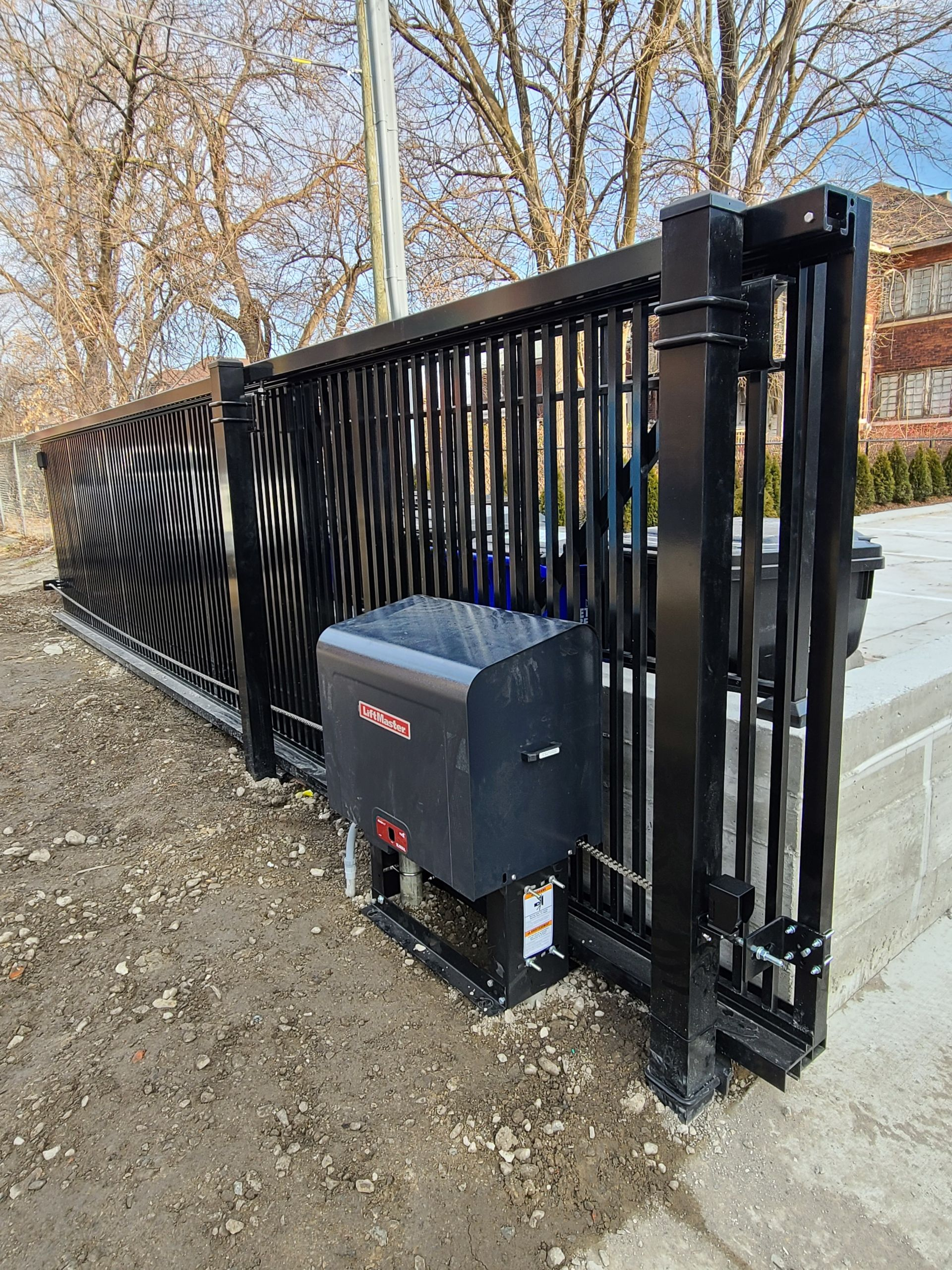
Learn what UL 325 means for automatic gate openers, gate safety devices, entrapment protection, and safer gate planning for residential and commercial properties.
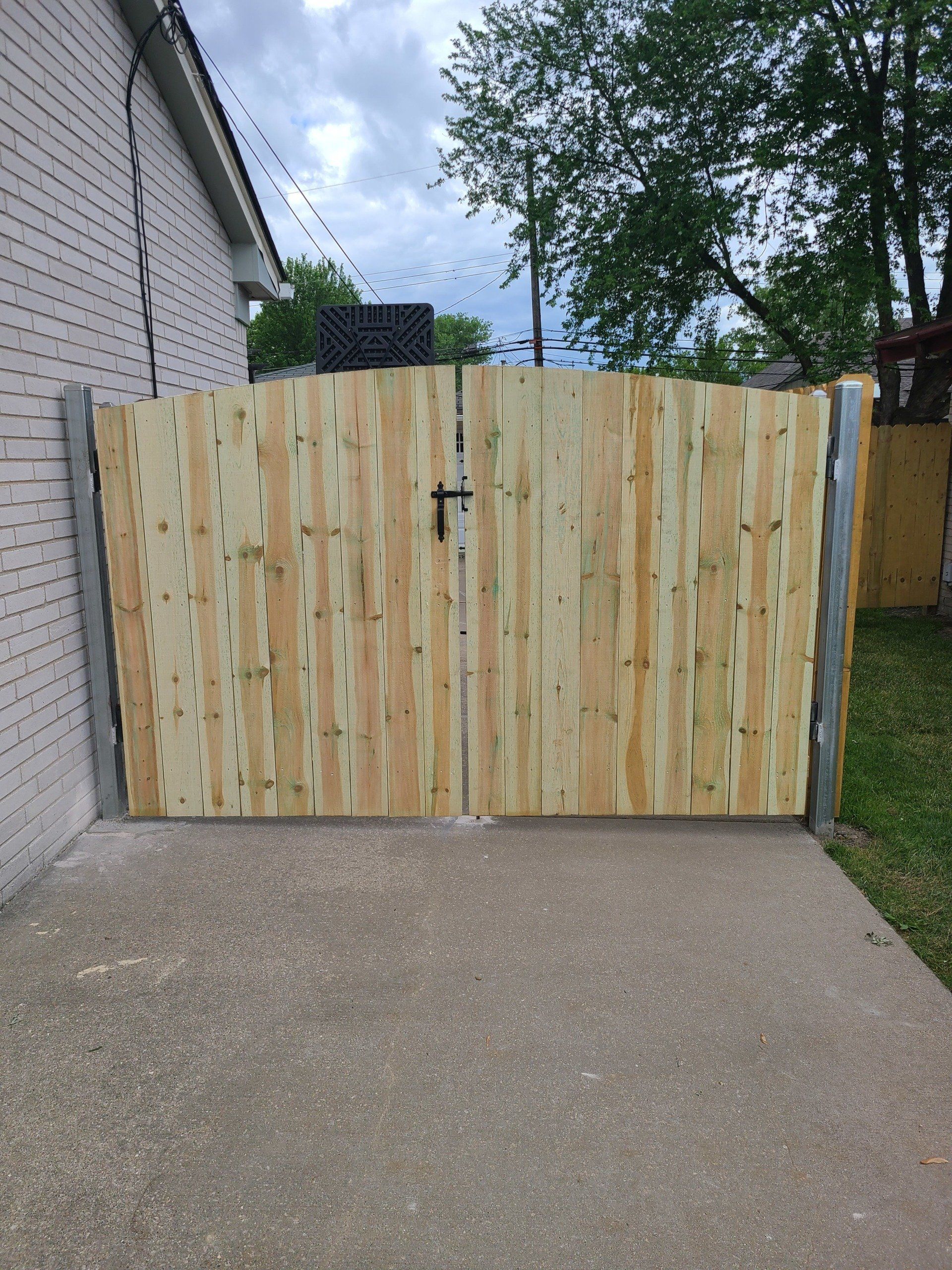
Do you need a fence permit in Metro Detroit? See requirements by city including Troy, Warren & Sterling Heights. Eastside Fence handles permits for you.
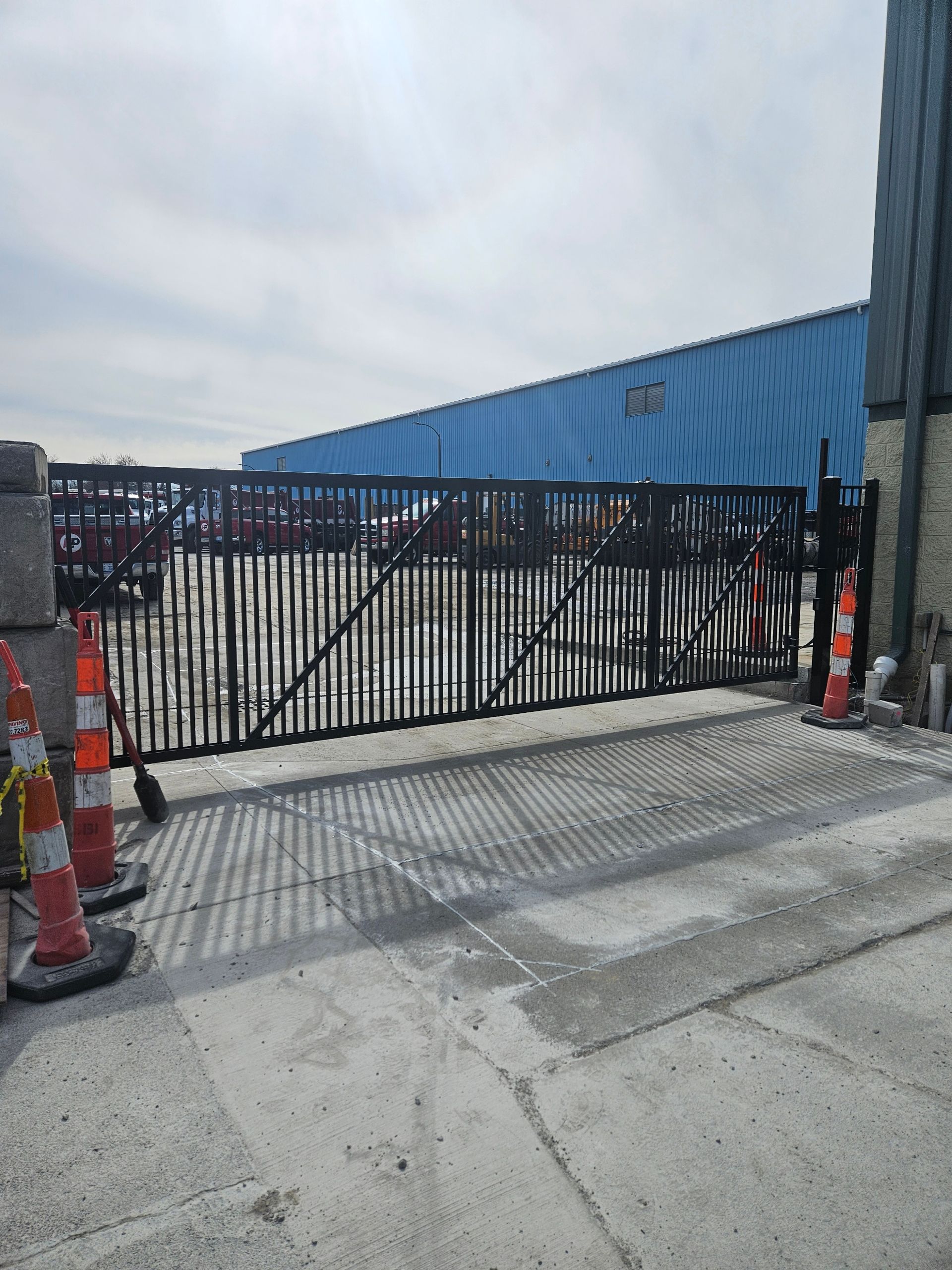
Need commercial fence installation in Metro Detroit? Eastside Fence provides chain link, steel, and temporary fencing across Oakland, Macomb, and Wayne Counties.
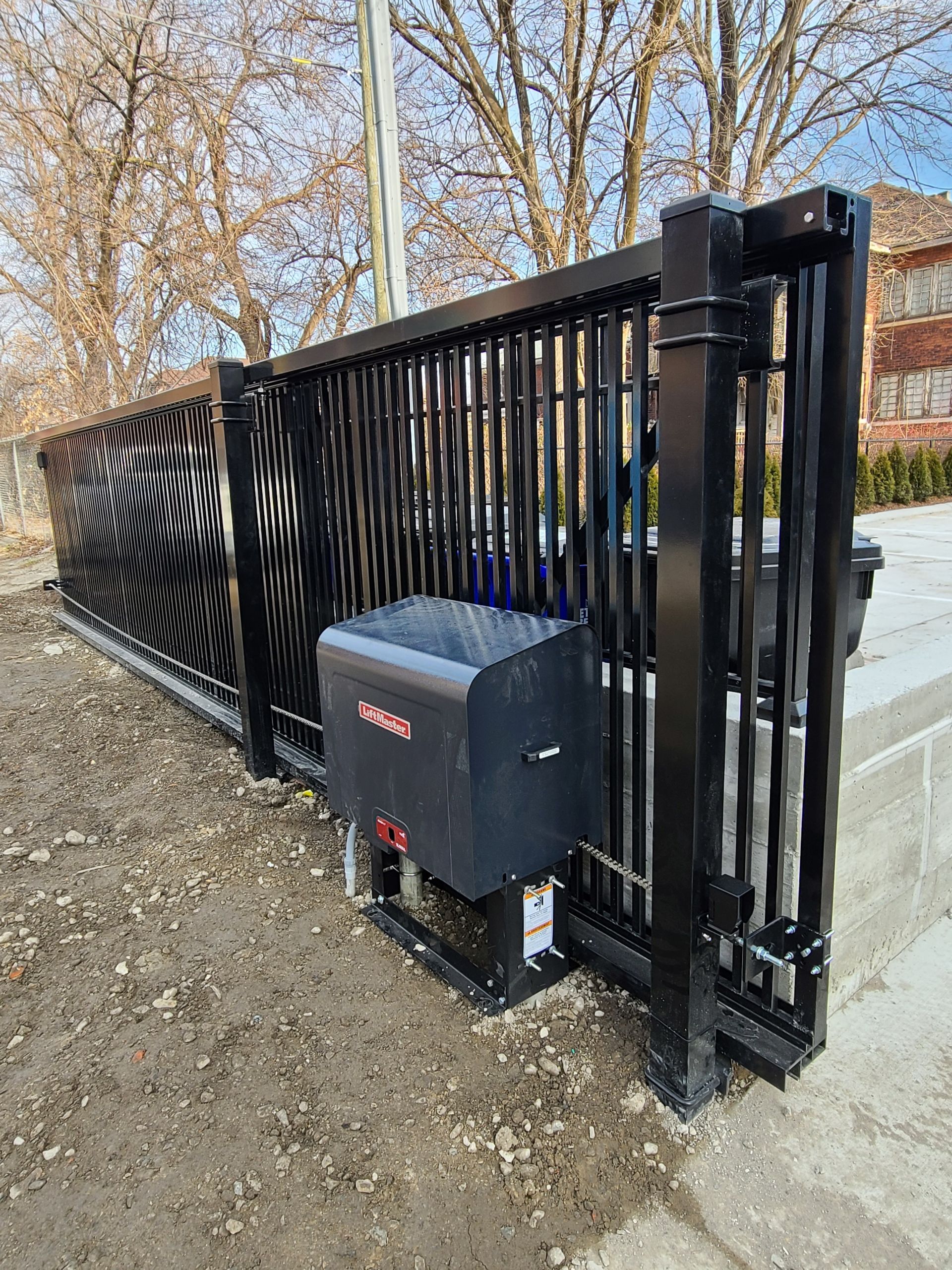
Learn what property managers should look for in a commercial fence contractor, from communication and durability to security and installation quality.
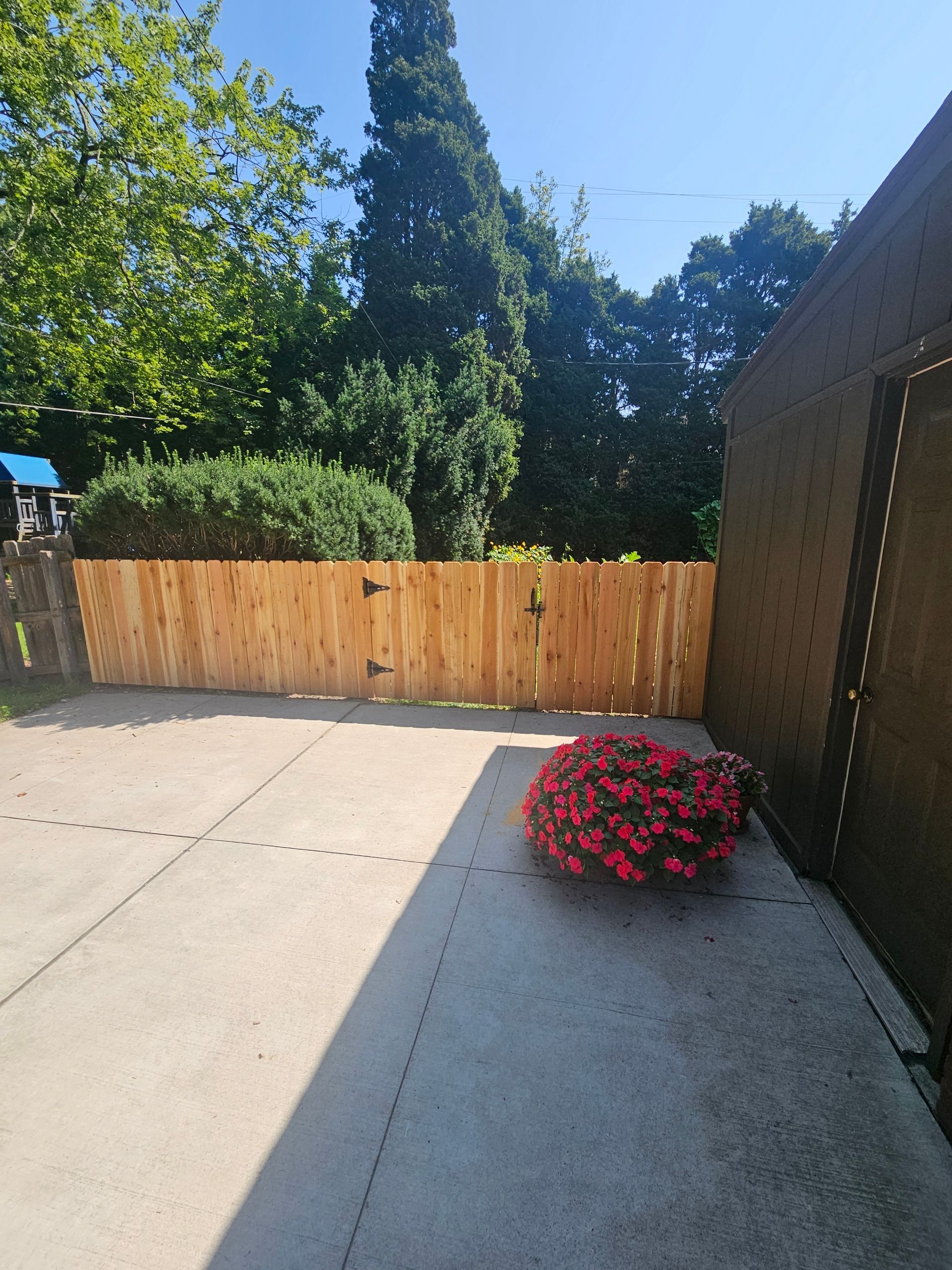
Learn 5 signs it may be time to replace your old fence, including leaning sections, rot, and repeated repairs. Serving Metro Detroit.

If you're considering chain link fence installations, then you'll want to know about the benefits you can expect. Here are four to look forward to.

Read this blog post to find out more about the chain link fence installation price and how a security fence can help protect your home.

Did you know that chain link fence installation can be easy? Read this blog for five other things to know! Call to get started with our services.
Learn how to keep your property secure with professional fence installation. Contact us if you're in need of fence services.
Share On: