Fence Repair or Full Replacement? What Homeowners Should Really Consider.
Eastside Fence • March 31, 2026
Why posts, gates, material type, and labor costs matter more than appearance alone

When a fence starts leaning, sagging, rotting, or showing visible wear, most homeowners ask the same question:
Should I repair it, or is it time to replace it?
The answer usually depends on more than just how the fence looks from a distance.
At Eastside Fence, repair vs. replacement decisions often come down to a few key factors:
- the condition of the posts
- the condition of the framework
- the type of fence material
- whether gates are still structurally sound
- how much of the fence is failing
- and whether labor costs start outweighing the value of repairing section by section
In many cases, the real issue is structure, not appearance.
Structure Matters More Than Appearance
A fence can look rough for a lot of reasons. Boards may be weathered, panels may lean, pickets may be loose, or a gate may sag.
But a fence that looks tired is not always a fence that needs full replacement.
The better question is:
What is happening underneath the visible problem?
If the structure is still sound, targeted repair may be the right move. If the posts, framing, or gate system are failing, then larger replacement may make more sense.
That is why repair vs. replacement should be based on the actual condition of the fence, not just its appearance.
Why Posts Matter So Much
Posts are often the most important part of the decision.
Rotten, broken, leaning, or unstable posts account for a large share of fence repairs. Once the base support of a fence starts failing, the rest of the structure is already working from a weak foundation.
A simple field test homeowners can understand is this:
Give the post a light push. Is it firm, or does it feel squishy, loose, or wobbly?
That quick test does not replace a professional evaluation, but it often tells you a lot.
If posts are unstable, repairs around them only go so far.
What to Look for in the Framework
Framework condition is another major factor.
In wood fences especially, structural deterioration often shows up closest to the post connection points. That is usually where moisture exposure and aging start taking a toll first.
If you do not see visible rot near one end of a section, the next step is to check the opposite end. If the framework is still solid at both ends, there is a good chance the section itself is still structurally sound.
That does not always mean the whole fence is fine, but it does help identify whether the problem is isolated or part of a larger structural decline.
When Repair Makes Sense
Fence repair often makes sense when:
- the problem is limited to one or a few sections
- most of the fence is still structurally sound
- the posts are still in good condition
- the layout still works for the property
- the homeowner wants to extend the fence’s life without taking on full replacement
In those cases, targeted repair can be the smarter and more cost-effective choice.
When Replacement Starts Making More Sense
Repairs usually come with lower material costs, but often higher labor costs.
That is where the decision changes.
A fence can reach a point where:
- too many sections need work
- too many posts are failing
- the framework is weak in multiple areas
- piecing together repairs becomes more labor-intensive than replacing larger portions at once
In other words, a homeowner may assume repairs are automatically cheaper, but if enough of the fence is failing, rebuilding it piece by piece can cost more in labor than replacing a larger area all at once.
That is usually the “middle ground” where repair stops making sense.
How the Decision Changes by Fence Material
Wood Fences
Wood fences with wood posts usually require the most maintenance and the most repairs over time.
That is because wood is more vulnerable to:
- age
- moisture
- rot
- weather exposure
- freeze/thaw movement over time
Wood fence problems are often structural, not just cosmetic. Post rot, rail weakness, and framework deterioration are all common reasons wood fencing eventually needs more than surface-level repair.
Wood fences are also one of the most common fence types affected by long-term age and weather.
Chain Link Fences
With chain link, the same repair-vs-replacement principles still apply — but chain link is often more repair-friendly.
In most cases, it is cheaper to repair chain link unless large swathes of the fence are failing.
Chain link is also one of the longest-lasting fence types, so repairs usually give homeowners more value because the repaired fence often continues performing for a long time.
Common chain link repair realities:
- bent posts can often be pushed or pulled back to plumb as long as they are not creased
- framework is usually easier to work with than wood
- labor is often lower than more intricate fence types
- actual damage to the chain link fabric itself usually requires replacement of that affected section with new fabric
Overall, chain link often needs the fewest repairs, and when it does need work, it is usually one of the easier systems to repair.
Vinyl Fences
Vinyl fencing behaves differently.
One of the more common issues with vinyl fences is heaving during freeze/thaw cycles, where sections or posts push upward out of the ground. The good news is that this is often an easy repair and usually does not require full replacement.
Where vinyl becomes more strict is with damaged components.
If a vinyl fence component is:
- cracked
- broken
- split
- even slightly damaged in a way that affects structure
then the damaged piece itself usually needs full replacement.
The positive side is that vinyl fencing is highly modular. Individual pieces such as:
- posts
- post caps
- rails
- pickets
- gate hardware
can often be replaced one at a time, which helps keep repair costs down.
Vinyl is generally more resistant to age and weather than wood, but it is still affected by the environment over time.
Aluminum Fences
Aluminum fencing shares some similarities with vinyl in the sense that bent or broken pieces usually need to be fully replaced.
However, aluminum often becomes less repair-friendly than vinyl when it comes to panel economics.
That is because individual pieces that make up a full panel are often:
- unavailable separately
- harder to source
- or priced close to the cost of replacing the entire panel
So while aluminum fencing generally has a low repair rate, when damage does happen, full panel replacement is often the more realistic solution.
Like chain link, aluminum is less vulnerable to normal age and weather than wood, and more often ends up needing repairs because of human-caused damage.
What Usually Causes Fence Damage?
Most fence repairs come down to three broad causes:
1. Age
Materials break down over time. Wood is especially vulnerable here.
2. Weather
Freeze/thaw cycles, moisture exposure, wind, and long-term seasonal movement all affect fencing differently depending on the material.
3. Accidents
In many cases, major fence damage comes from:
- falling trees
- car impacts
- heavy equipment damage
- other direct human-caused events
Wood fences are especially vulnerable to age and weather.
Vinyl is more resistant, but still affected.
Chain link and aluminum are often more durable overall, and when they fail, the cause is often an accident rather than simple aging.
Gates Need Their Own Evaluation
Gate repair vs. replacement is often a separate conversation from the rest of the fence.
Gates are one of the most labor-heavy, low-material parts of a fencing project. That means labor usually drives the cost more than the raw material itself.
When a gate is failing, the decision usually comes down to:
- the current condition of the gate
- the condition of the gate posts
- and how the gate was originally built and framed
What a Healthy Gate Should Do
A properly functioning gate should:
- swing freely
- latch easily
- not rely on wheels to carry it
- not need to be lifted in order to open or close
Most Common Gate Problems
The most common reason a gate stops working correctly is sagging over time.
That sagging usually shows up as:
- latch misalignment
- dragging
- difficulty opening and closing
Other common gate issues include:
1. Failing gate posts
Gate posts must remain plumb if the gate is going to stay usable. If the post starts leaning, the whole operation of the gate is affected.
2. Bad initial framework or bracing
If the gate was not built correctly from the start, long-term performance is already in question. Poor bracing and weak framework eventually show up in gate sag and latch failure.
If the original gate design is failing, or the support posts are no longer sound, then full replacement of the gate system usually makes more sense than repeatedly patching it.
A Better Kind of Repair: Replacing Wood Posts With Metal Posts
One of the smartest repairs homeowners can make is replacing failing wood posts with metal posts.
At Eastside Fence, we consider this a repair, not a full replacement.
In many cases, it is one of the best kinds of repair because:
- it addresses the most important structural weakness
- it gives the fence a longer-lasting base
- and post work is often one of the hardest and most expensive parts of the project anyway
If the homeowner is going to invest in post repair, upgrading to metal posts is often the strongest long-term solution.
The Real Question: What Is Still Worth Saving?
When homeowners think about repair vs. replacement, the instinct is often to save as much of the fence as possible.
But the better question is:
What is still worth saving?
If the structure is good, repair may be the right choice.
If the posts, gate system, or framework are failing in enough places, replacement often provides better value than rebuilding the fence piece by piece.
That is why the right answer is not always the cheapest short-term option. It is the option that makes the most sense for the structure, the budget, and the long-term result.
Serving Homeowners Across Metro Detroit
Eastside Fence helps homeowners across Oakland County, Macomb County, and Wayne County evaluate whether a fence is a good candidate for repair or whether replacement makes more sense.
Our goal is to help customers make the choice that fits the actual condition of the fence — not just what it looks like at first glance.
Get Started
If your fence is leaning, your posts feel unstable, sections are breaking down, or your gate no longer works the way it should, Eastside Fence can help evaluate whether repair or replacement is the smarter next step.
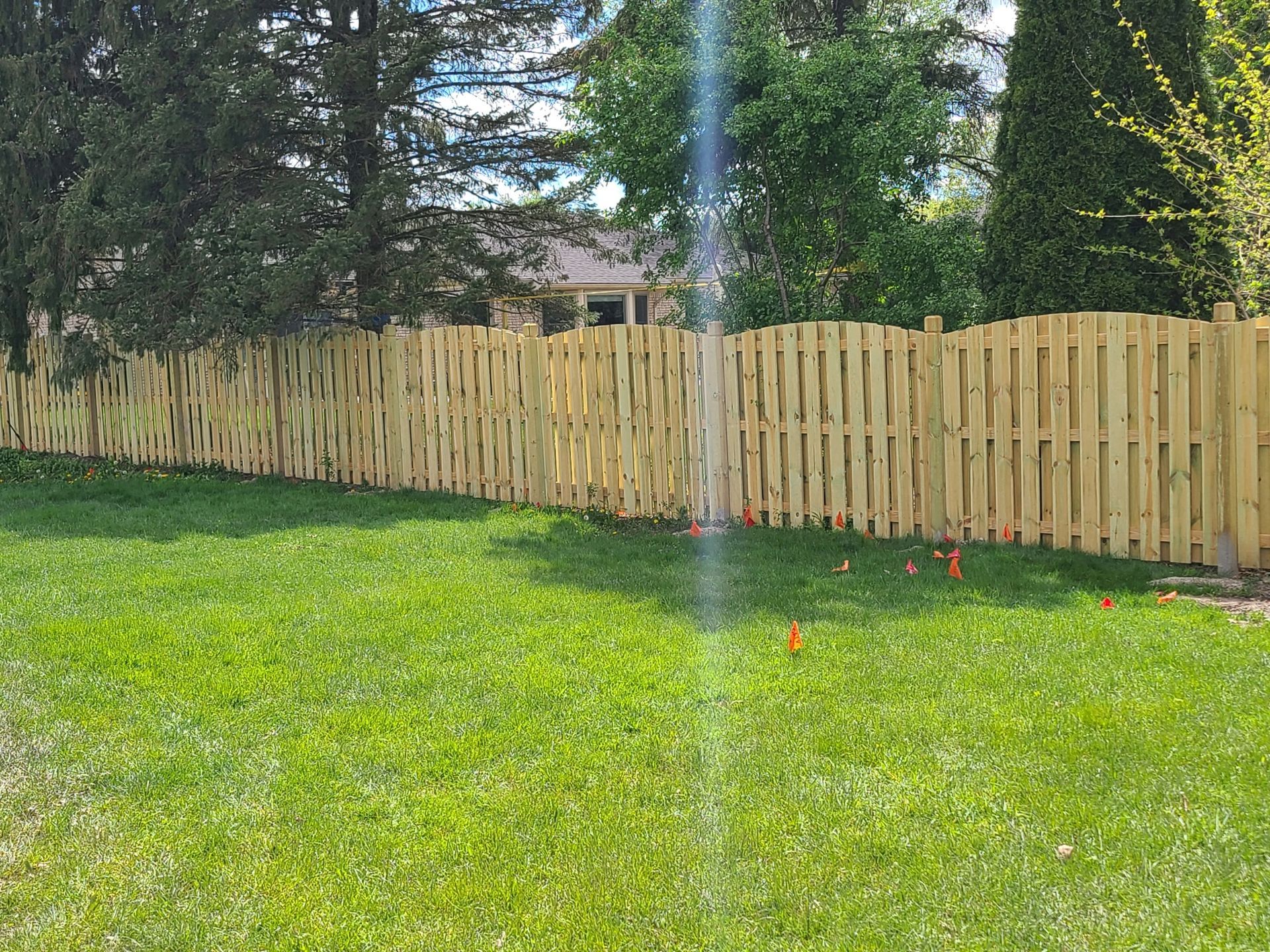
Verify property lines and account for utilities before fence installation. Learn what homeowners should know before digging starts
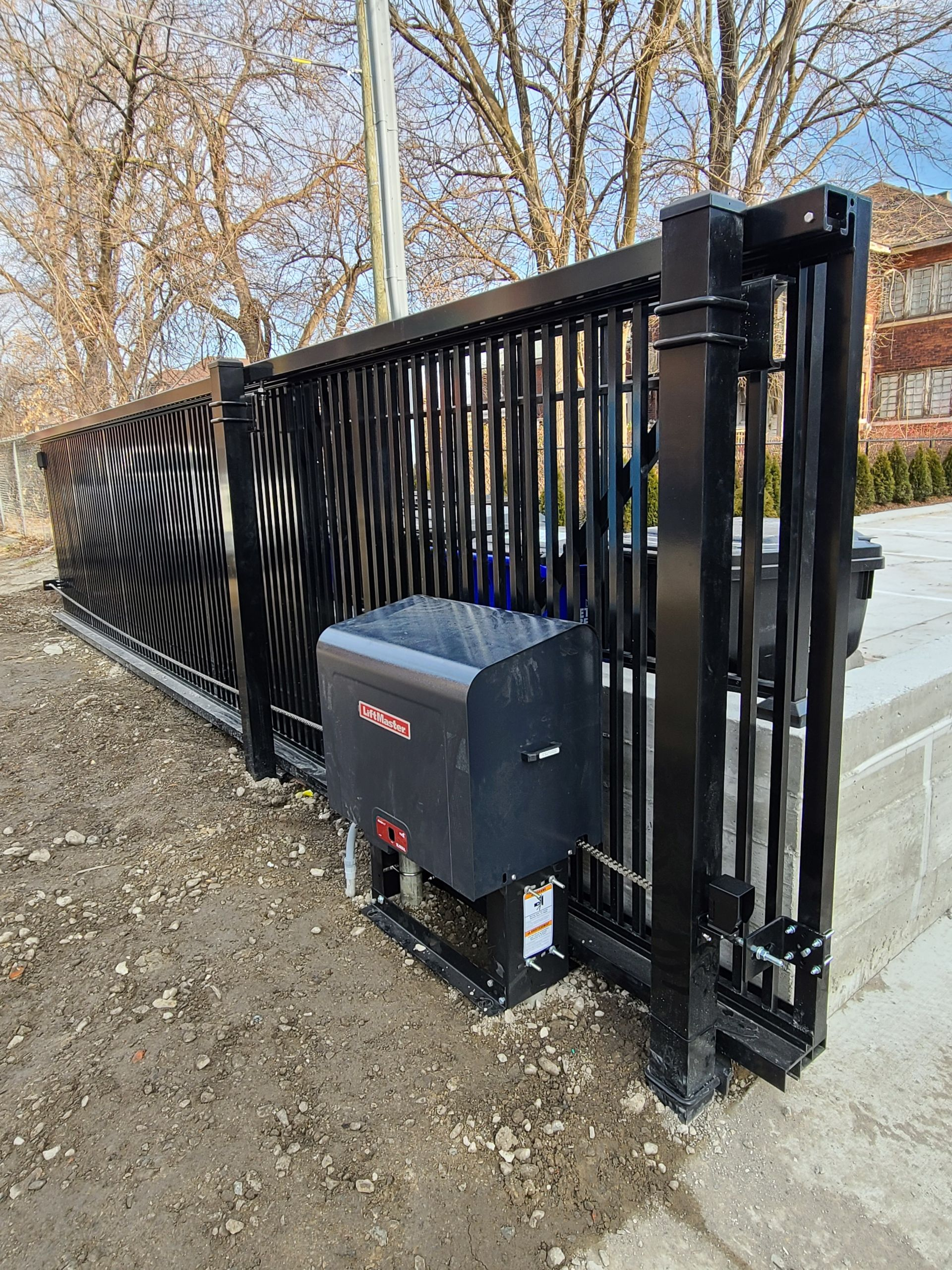
Learn what UL 325 means for automatic gate openers, gate safety devices, entrapment protection, and safer gate planning for residential and commercial properties.
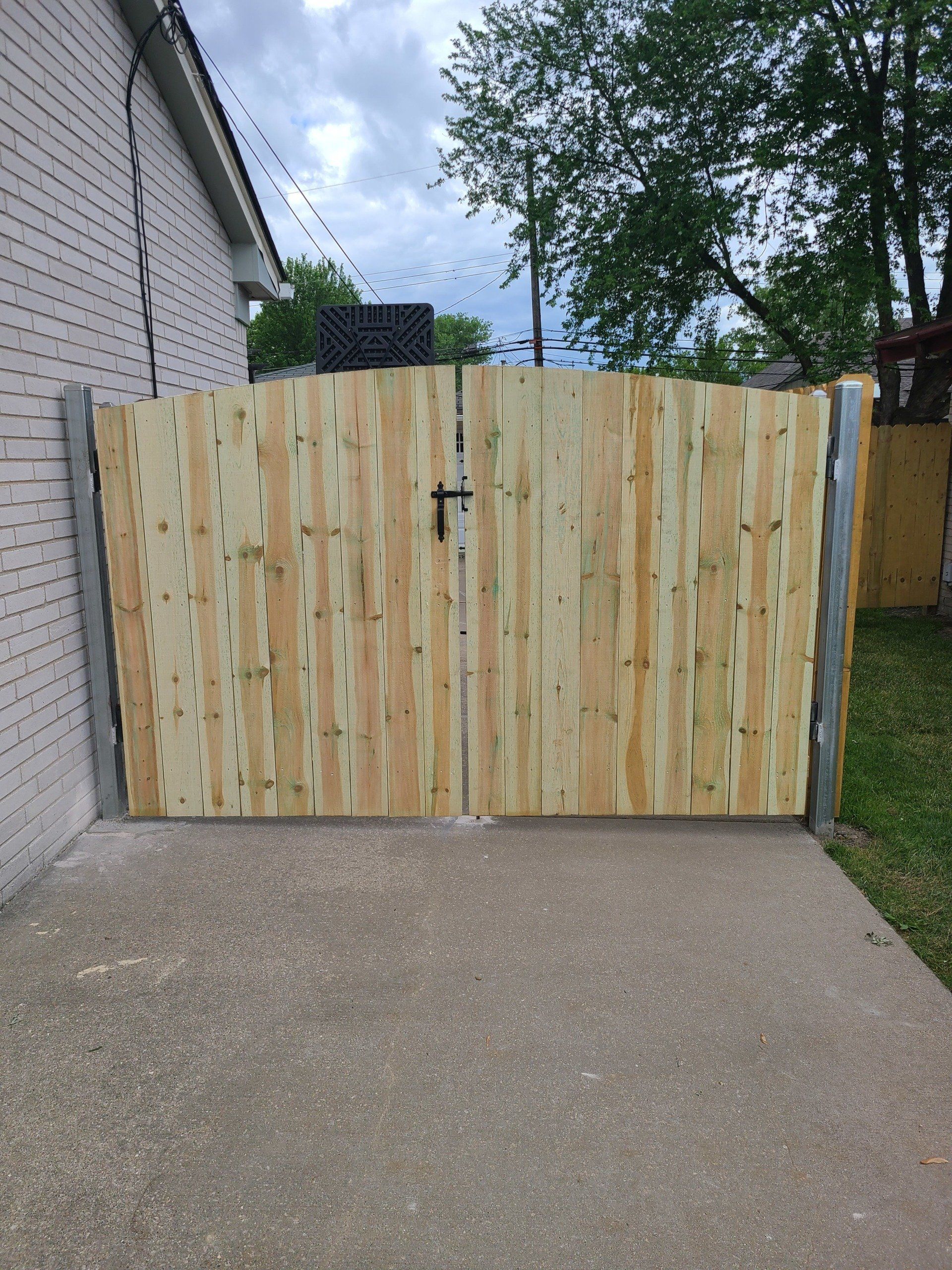
Do you need a fence permit in Metro Detroit? See requirements by city including Troy, Warren & Sterling Heights. Eastside Fence handles permits for you.
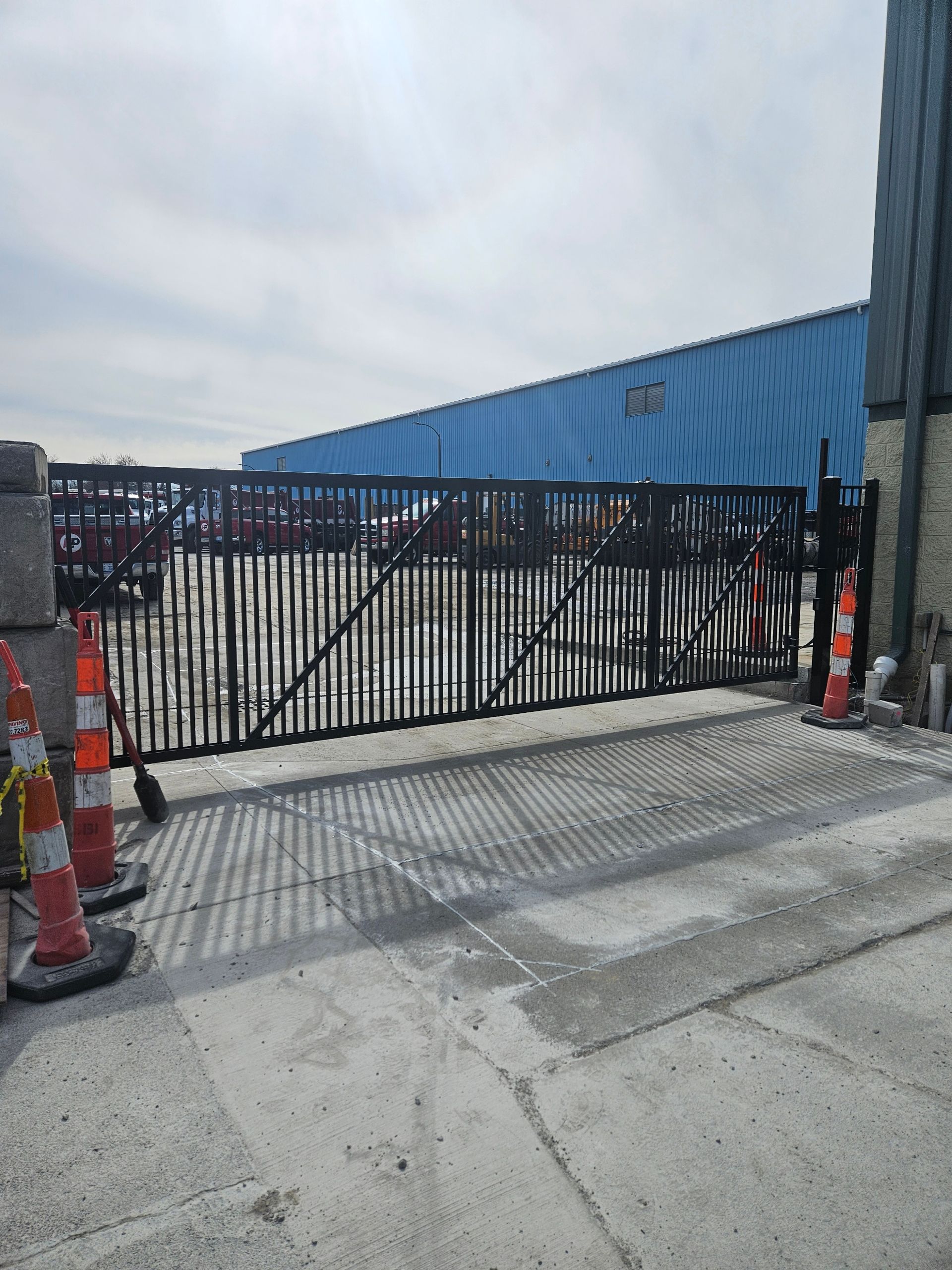
Need commercial fence installation in Metro Detroit? Eastside Fence provides chain link, steel, and temporary fencing across Oakland, Macomb, and Wayne Counties.
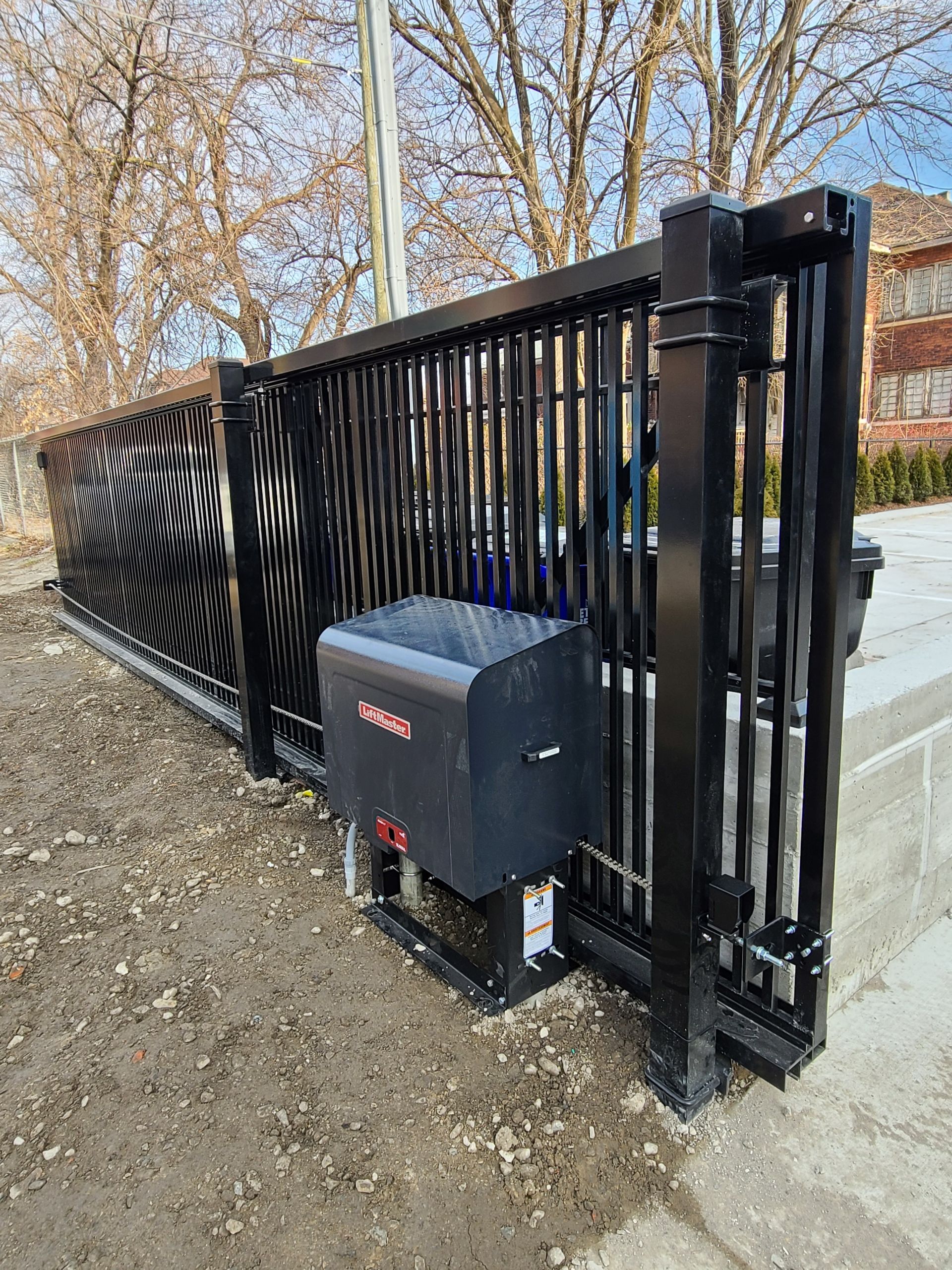
Learn what property managers should look for in a commercial fence contractor, from communication and durability to security and installation quality.
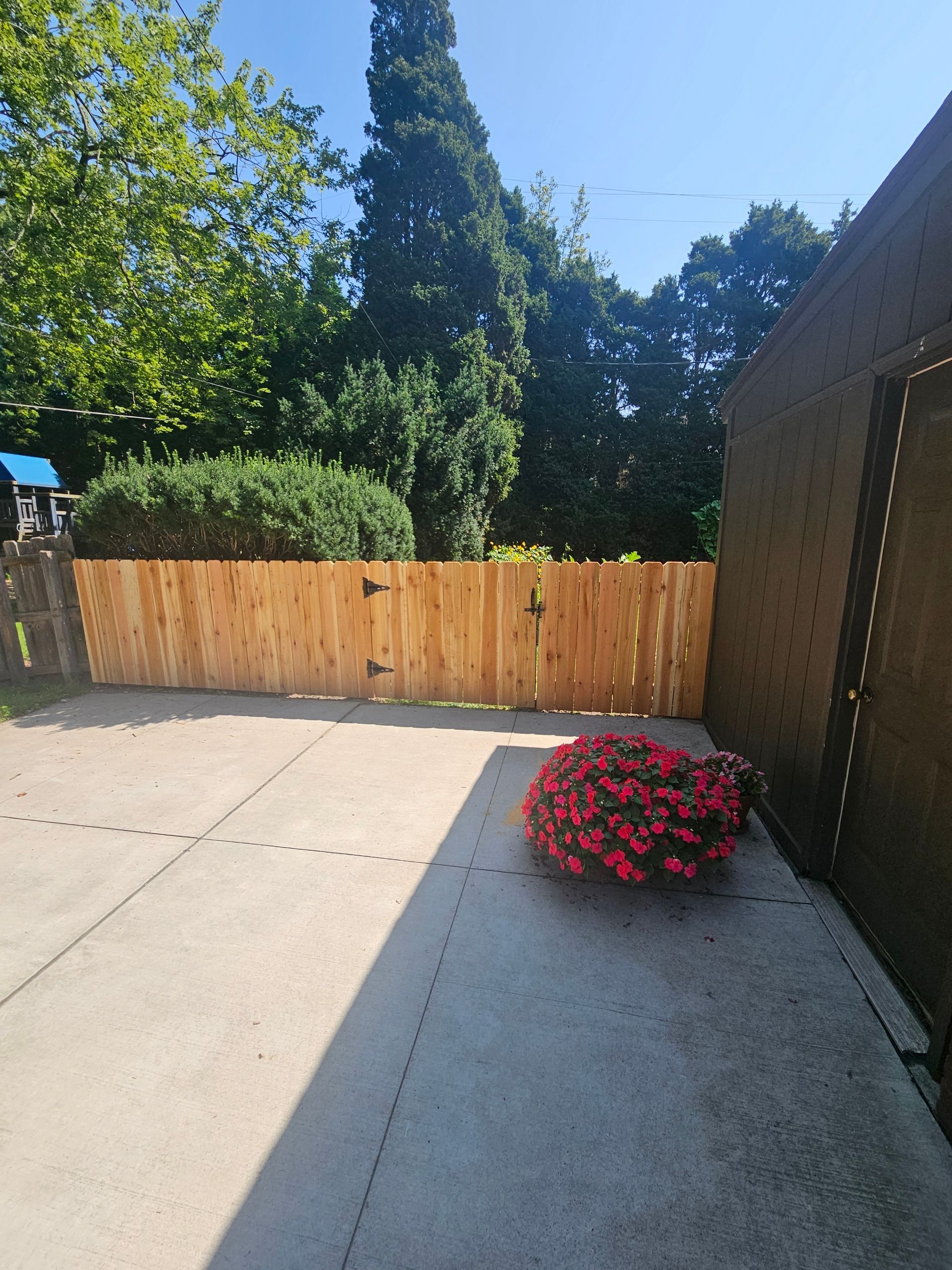
Learn 5 signs it may be time to replace your old fence, including leaning sections, rot, and repeated repairs. Serving Metro Detroit.
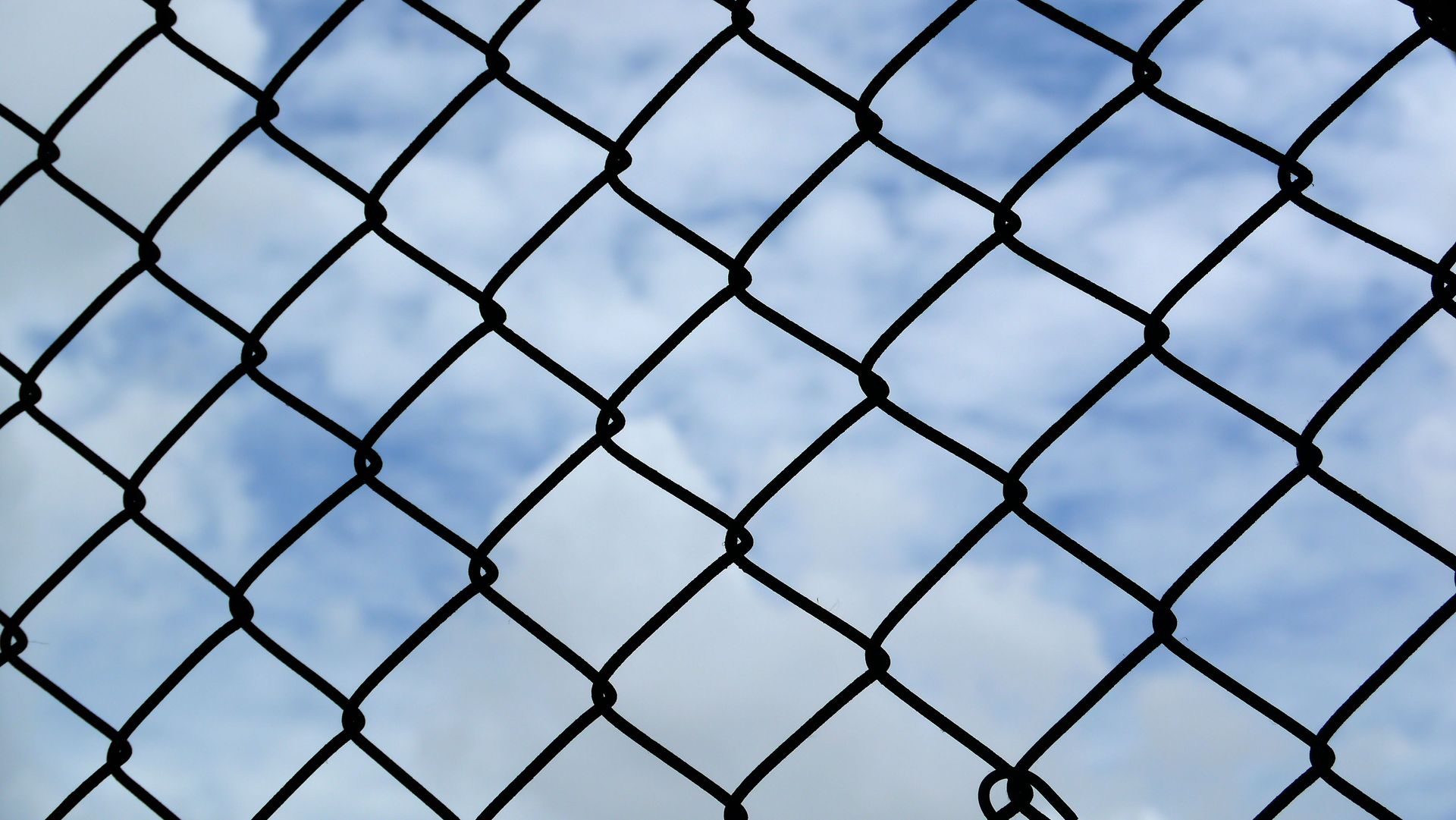
If you're considering chain link fence installations, then you'll want to know about the benefits you can expect. Here are four to look forward to.
Read this blog post to find out more about the chain link fence installation price and how a security fence can help protect your home.
Did you know that chain link fence installation can be easy? Read this blog for five other things to know! Call to get started with our services.
Learn how to keep your property secure with professional fence installation. Contact us if you're in need of fence services.
Share On: